The Most Important Lesson I’ve Learned Working in This Industry

If there’s one thing this industry has taught me — the kind of lesson you only learn after years of trial, error, and stubbornness — it’s this:

If you don’t know what you’re building toward, everything around you will pull you in a hundred directions at once.

And not gently.

This space is loud. Everyone has an opinion, everyone has a strategy, everyone swears they’ve cracked the code. And if you’re not anchored by something real, you’ll find yourself scrolling Google for escape plans and foreign residency requirements before your coffee gets cold. (Hypothetically. Maybe.)

People see the final outcome — the polished videos, the polished projects, the audience numbers — and assume there’s a straight line connecting all of it. But nothing about what we do is linear. Growth has a personality disorder. Some seasons feel electric and effortless; some feel like you’re dragging the entire internet up a hill.

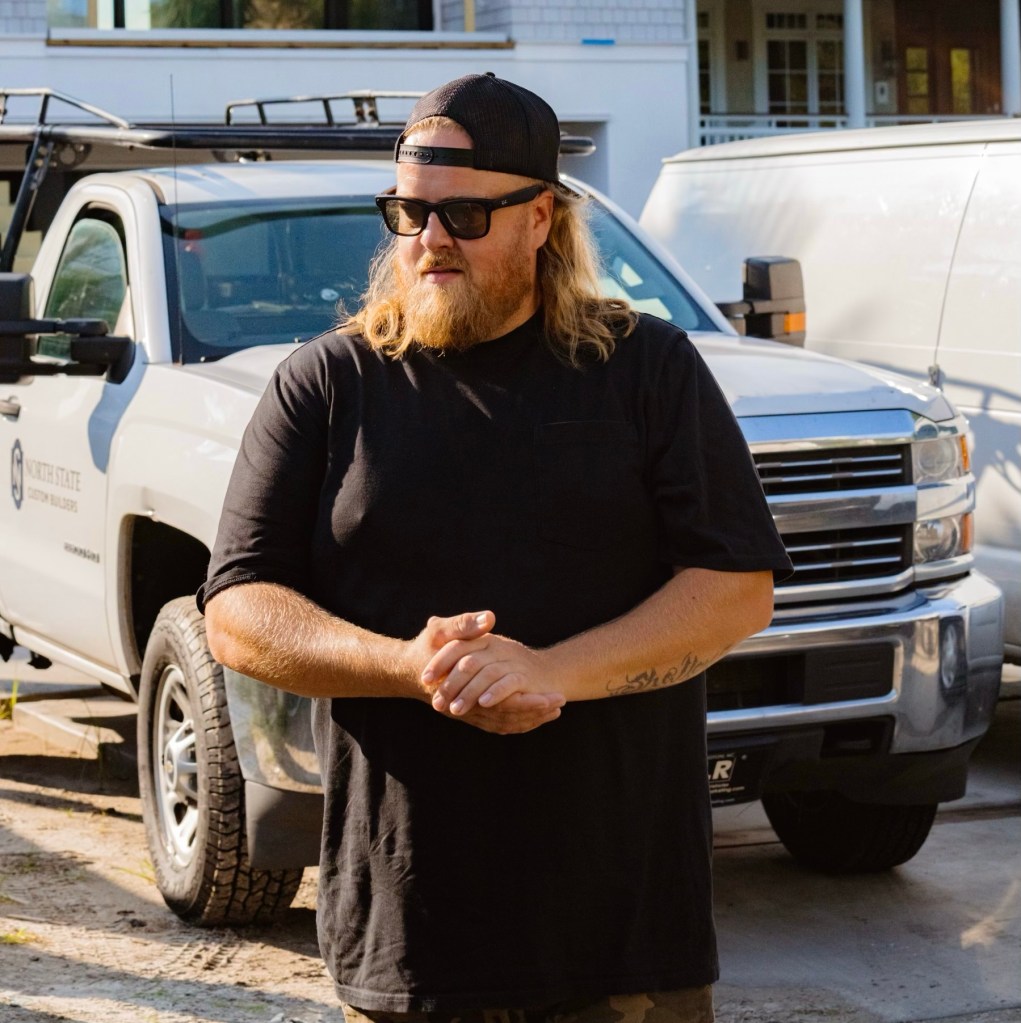
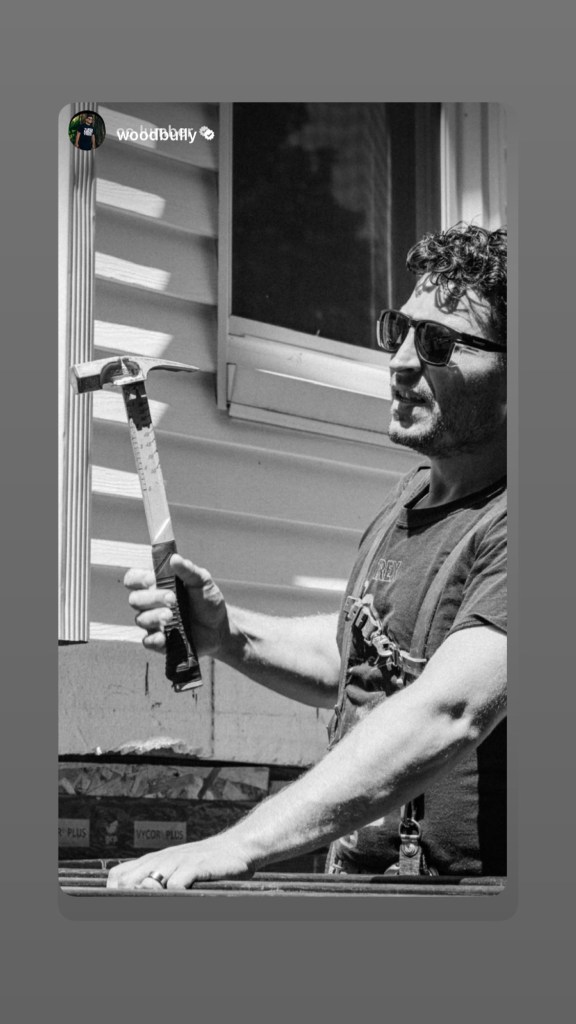
What has surprised me most isn’t the workload. It’s the emotional weight of leading something that has its own identity now. Wood Bully and Bully Media aren’t just “our businesses” anymore — they are a living, breathing thing with expectations, momentum, and people who rely on it. There’s a responsibility that comes with that, one that grows louder the bigger this gets.

And that’s exactly why Gordon built this the way he did.

Not for attention.

Not for clout.

Not for internet fame.

He built it because he hoped that someday, all of this effort would circle back to his family — to more time, more stability, and more choices than either of us had growing up. Wood Bully started as a way to build something that would outlive the hustle. Something that could create freedom, not chaos. Something that could rewrite what “work” looks like for our family in the long run.

The part people don’t see is that purpose evolves.

It’s not a moment — it’s a discipline.

A practice.

A constant recalibration.

Purpose is what forces you to make decisions that aren’t popular but are necessary.

Purpose is what keeps you from taking shortcuts when the easier road is right there.

Purpose is what stops you from letting ego run the show.

Purpose is what keeps the entire thing aligned when the outside world feels messy.

And in a space where trends flip every five minutes, where platforms reinvent themselves overnight, and where everybody swears they found a “new formula,” that purpose has become the only compass worth following.

I’ve learned that success isn’t one big decision — it’s a thousand tiny agreements you make with yourself:

Who you want to be.

What kind of company you want to run.

What kind of impact you want to leave behind.

What kind of example you’re setting while you build it.

Everything around Wood Bully has evolved. The audience, the content, the direction, the opportunities — all of it has changed dramatically from where we started. But the intention behind it hasn’t drifted even an inch.

We’re here to build something that outlasts trends, noise, and algorithms.

Something anchored in the kind of values that don’t go out of style.

Something our kids can look at and understand exactly what we stood for.

That — not the numbers, not the platforms, not the industry chaos —

is the reason we’re still standing.

And the reason we’ll still be standing ten years from now.
OC Lumber x Wood Bully

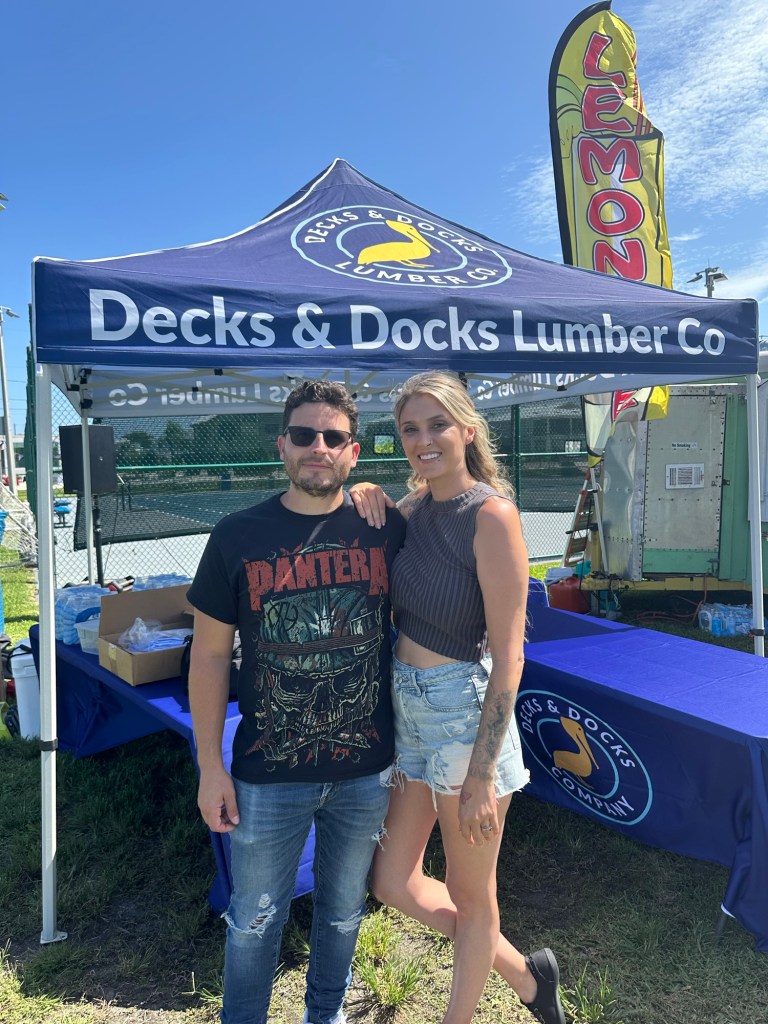
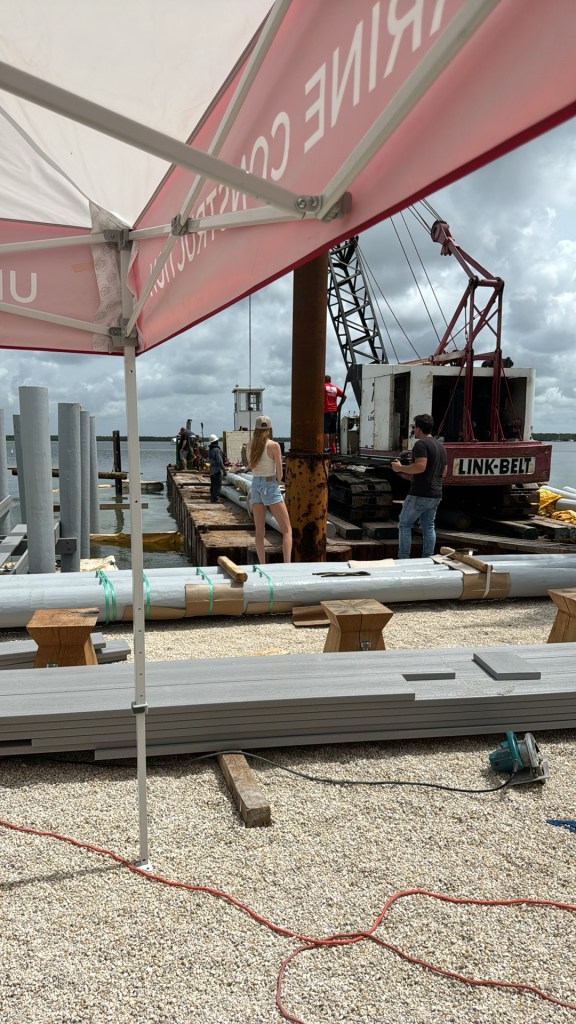
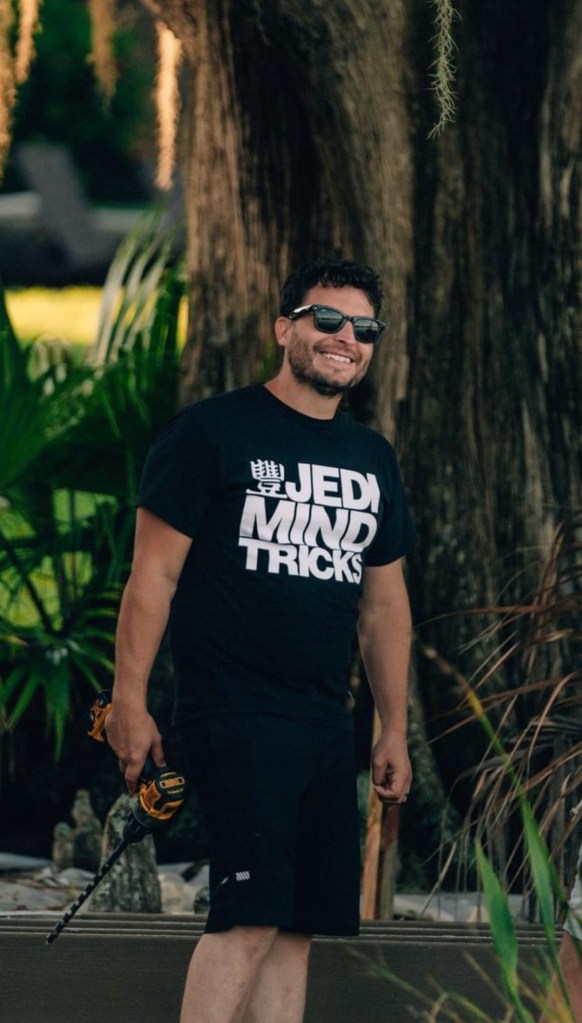
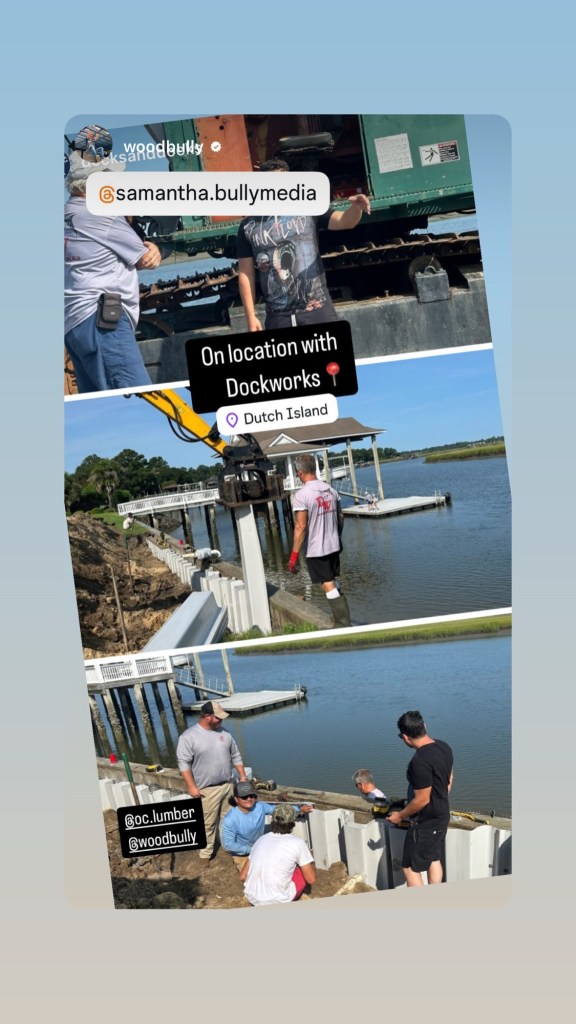
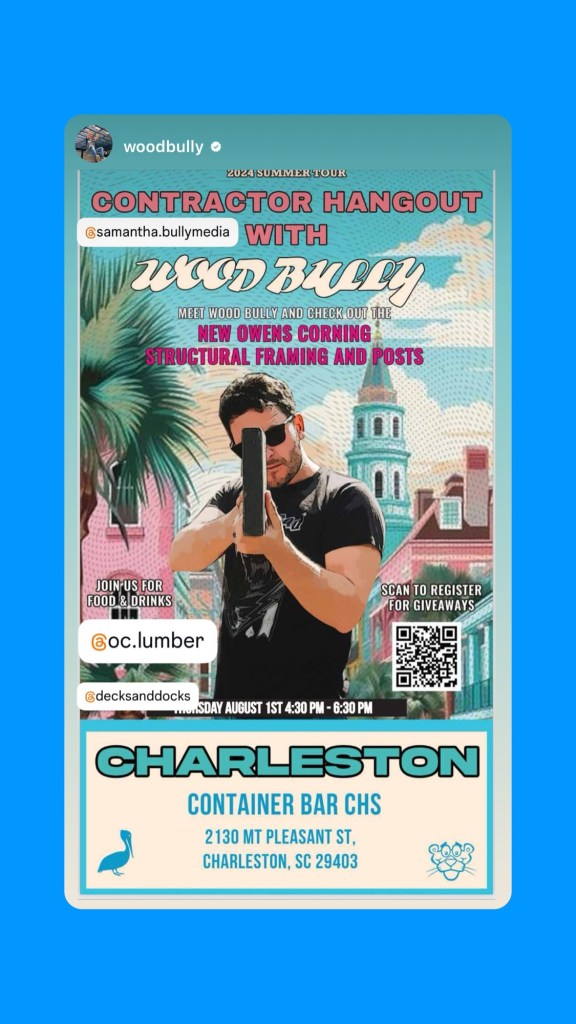
If you told me five years ago that I’d be traveling across the U.S. for two months straight with Gordon, building, filming, and chasing an idea that had been in my head for years, I probably would have laughed and told you that stuff just doesn’t happen to anyone. And yet, somehow, that idea — this crazy, half-dreamed, half-insane notion of a traveling carpenter media tour — actually happened. Twice. In 2024 and 2025, we set out on what became the OC Lumber Tour, and it was everything I thought it would be and nothing I expected at the same time.
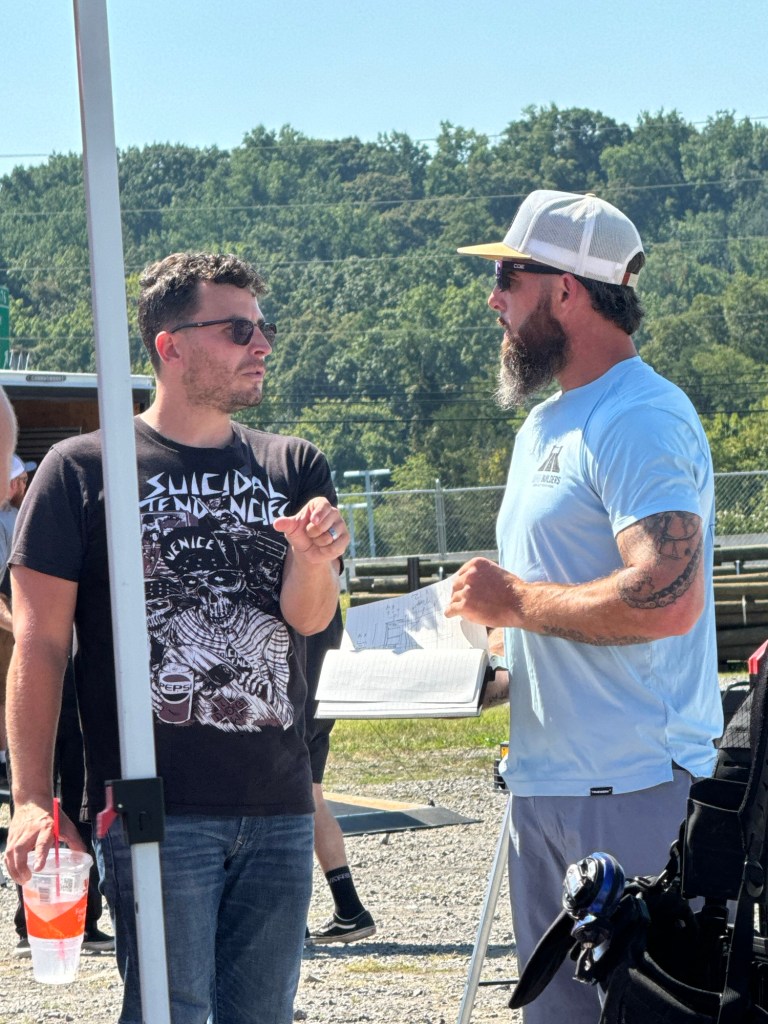
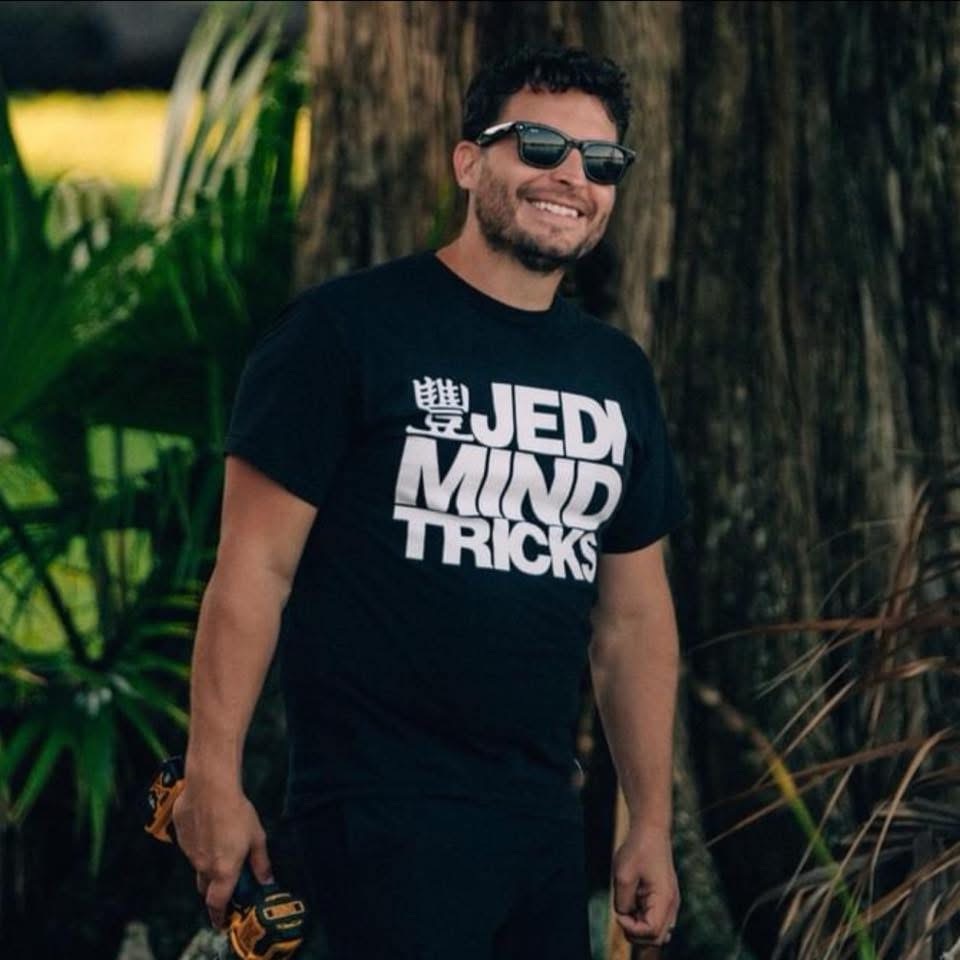
The whole thing started in January 2024. I’d been talking about the traveling Wood Bully idea for years, begging Gordon to do it. And then, out of nowhere, we met Casey ( in person anyways) And Casey had been thinking the exact same thing. For a moment, it was almost unreal — like someone finally spoke the same language we’d been dreaming in all along. From that instant, everything clicked. Casey became more than a planner or organizer; he became a guide, a partner, and someone whose expertise we leaned on in ways I can’t even describe. He knows every hotel in the country, but he also listens, believes in your vision, and somehow manages to make chaos feel manageable. Having him there made this impossible dream feel achievable.

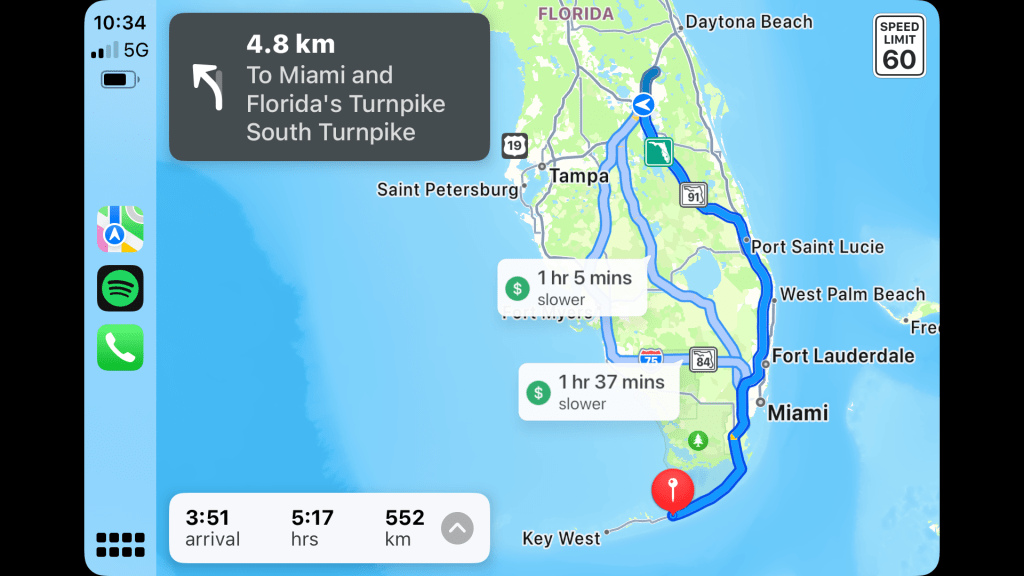
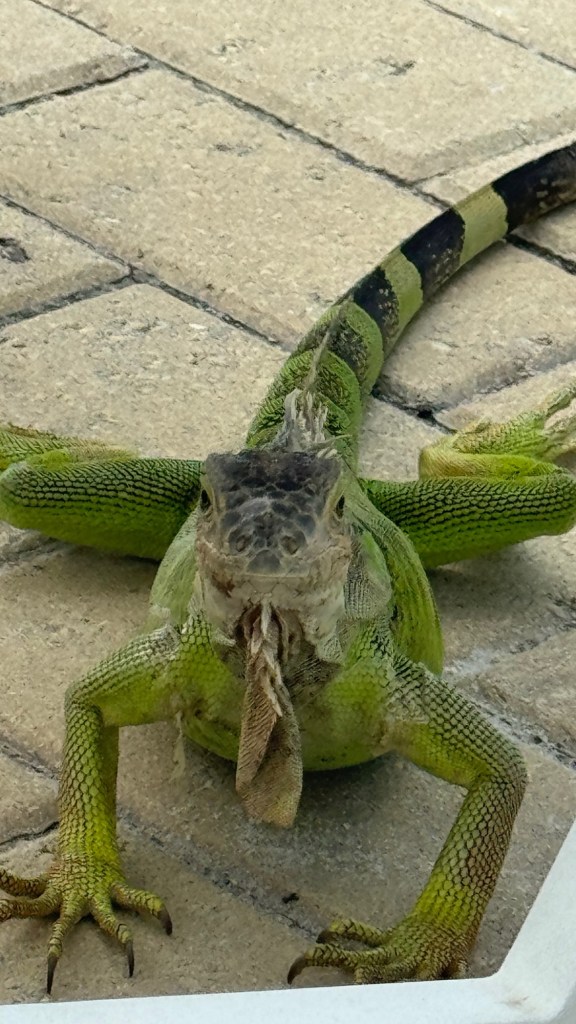
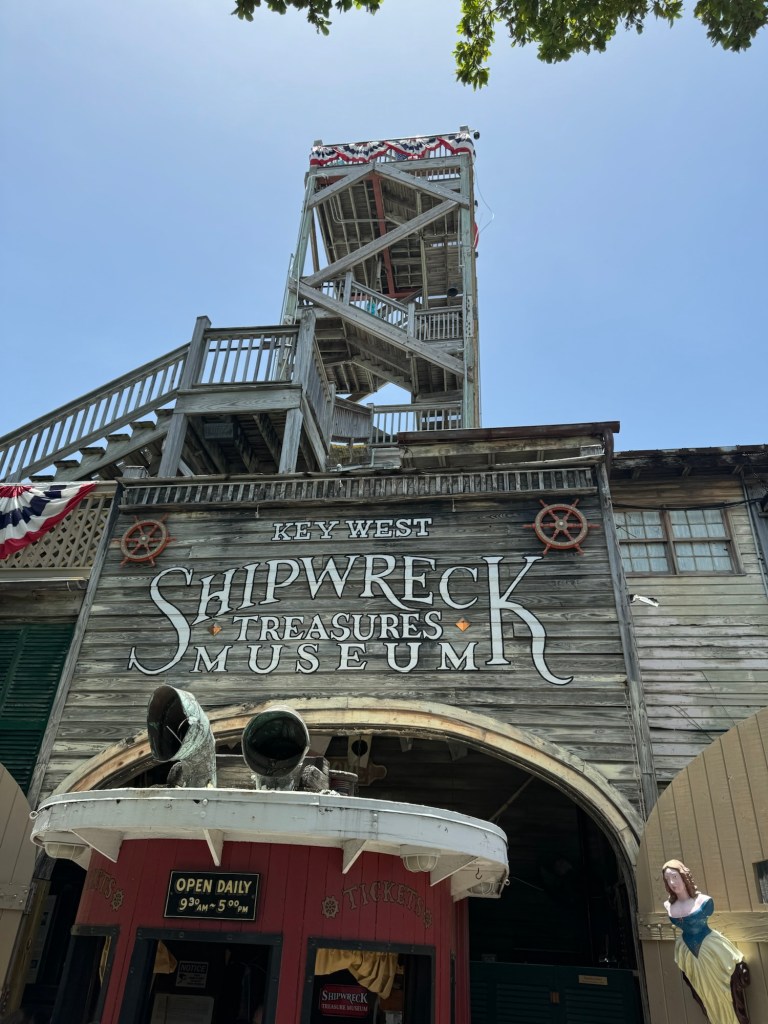
We left for the first tour on June 29, 2024, right after our son’s grade 12 graduation ( he graduated with honors 🎉) We drove to Washington, D.C., jumped on an overnight auto train to Sanford, Florida, and began the whirlwind. From there, we drove down to the Keys, settling into a hotel in Marathon right on the water. Huge iguanas wandered around the pool, completely unbothered by humans, and it was one of our first “holy shit, we’re actually doing this” moments. Florida stole my heart immediately.

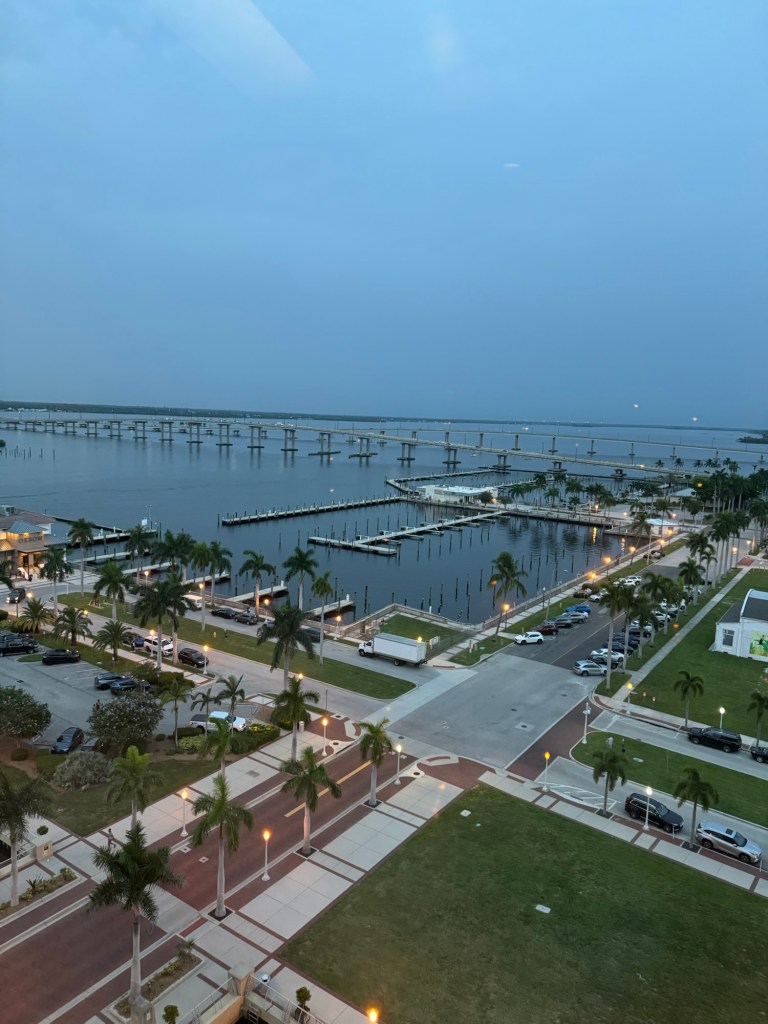
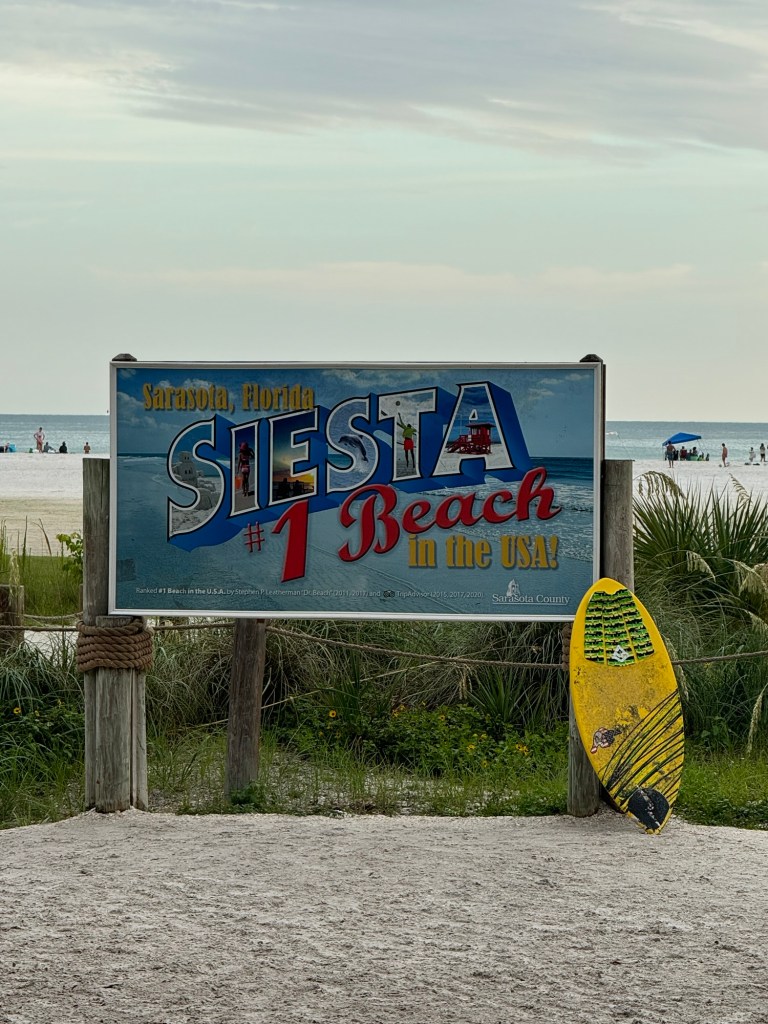
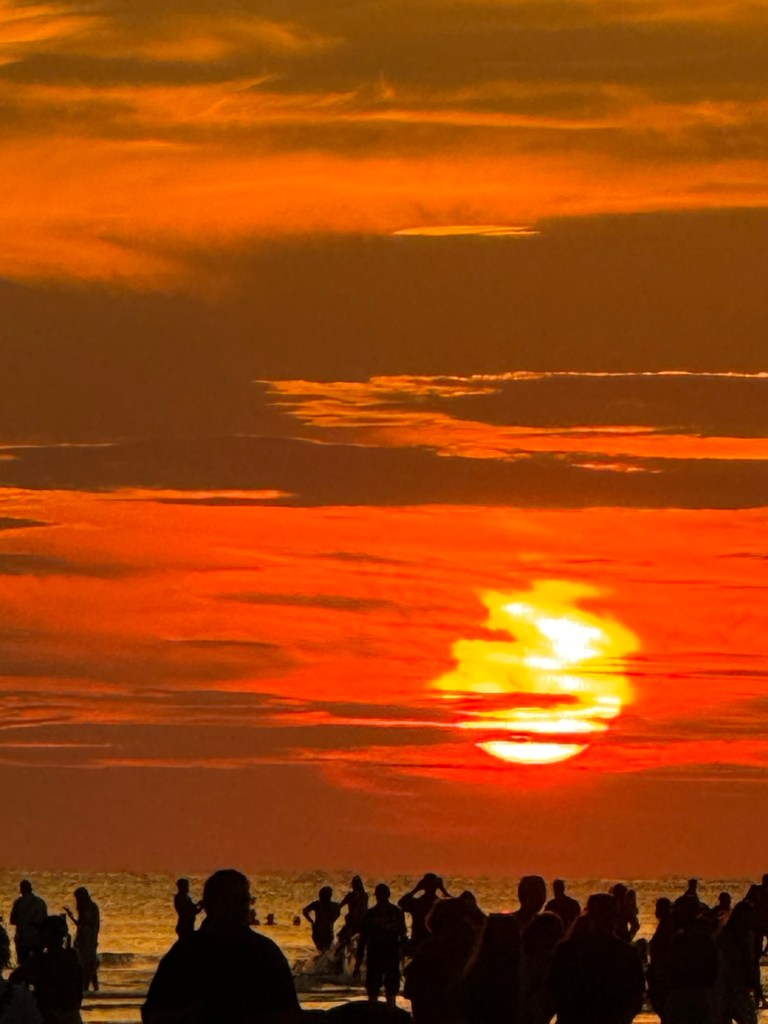
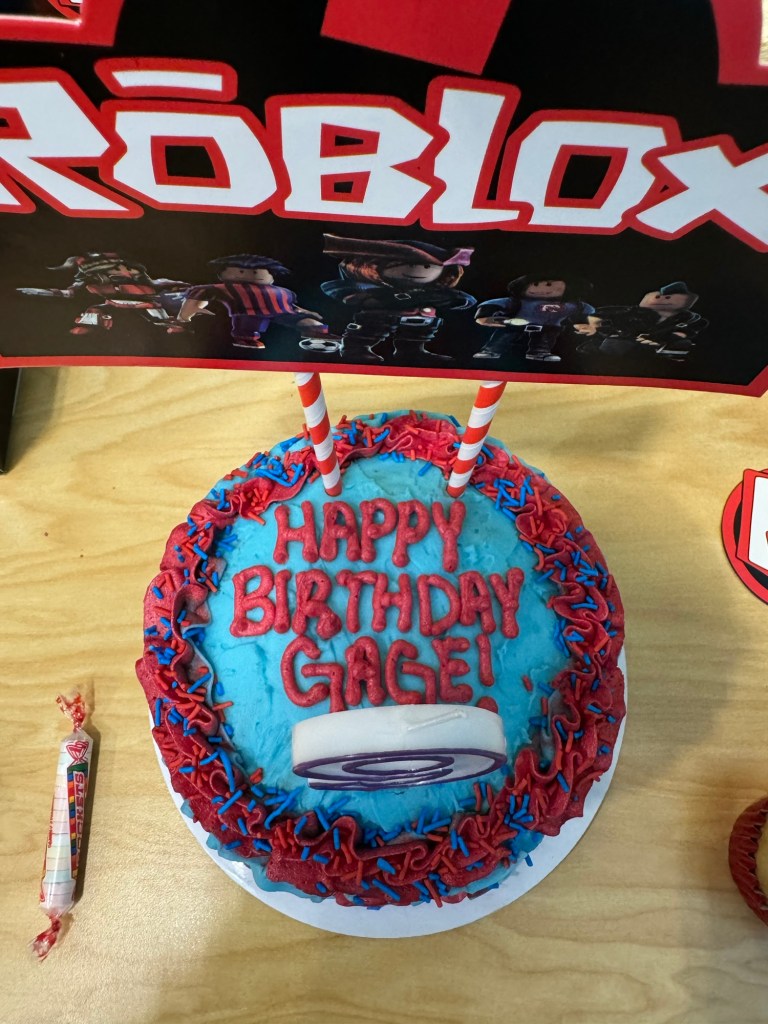
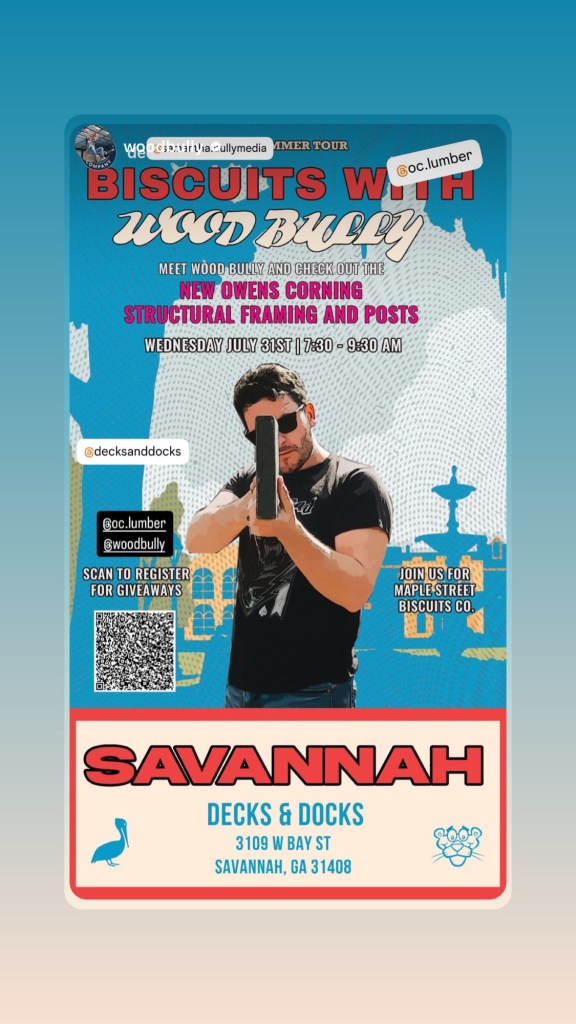
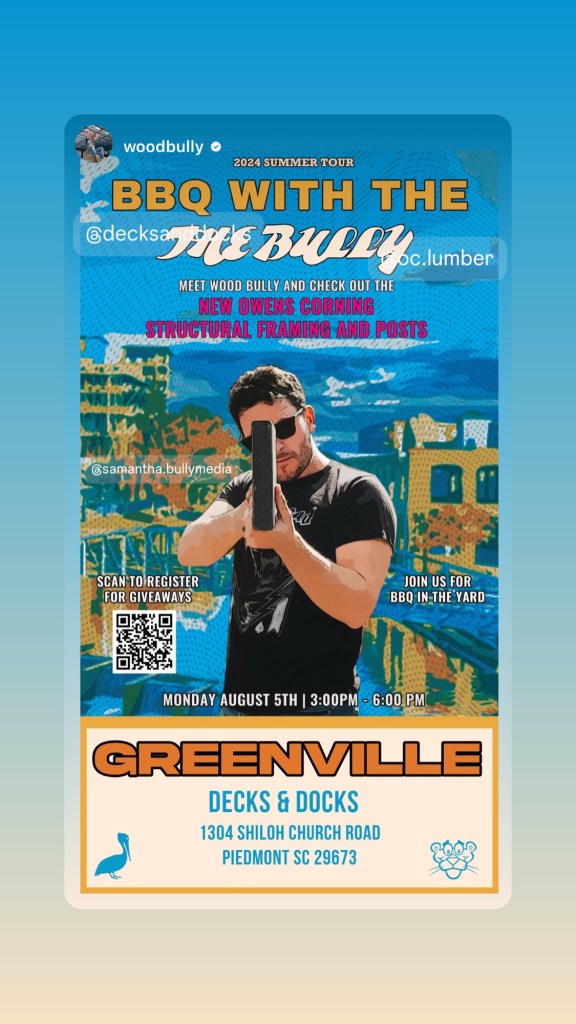
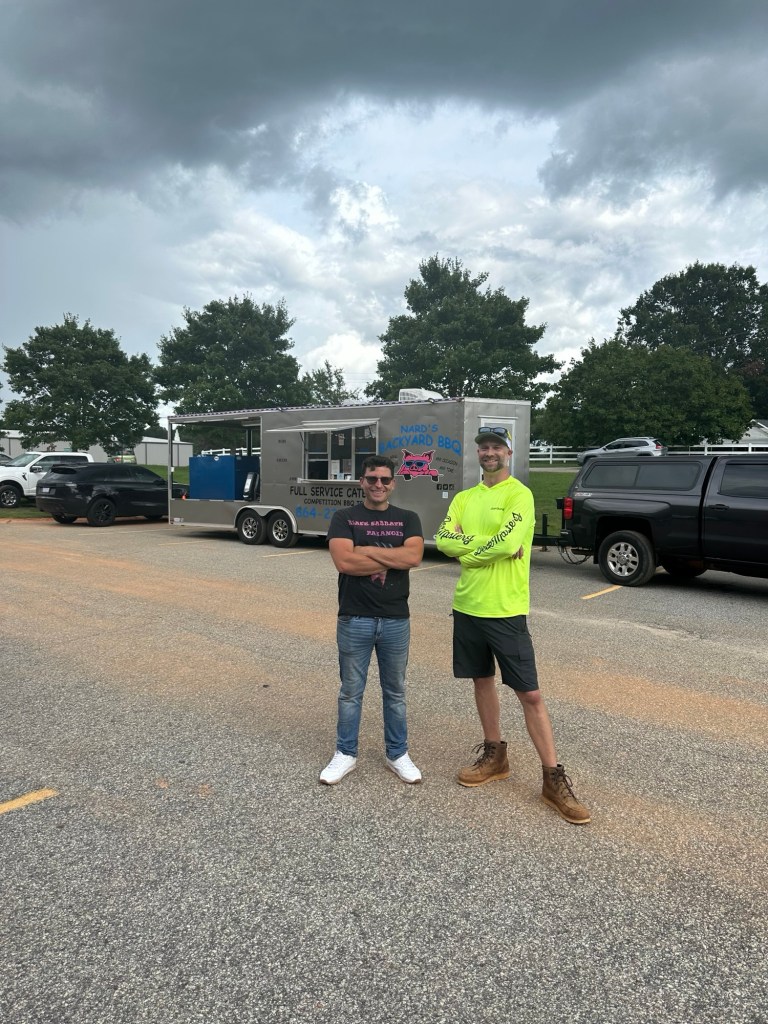
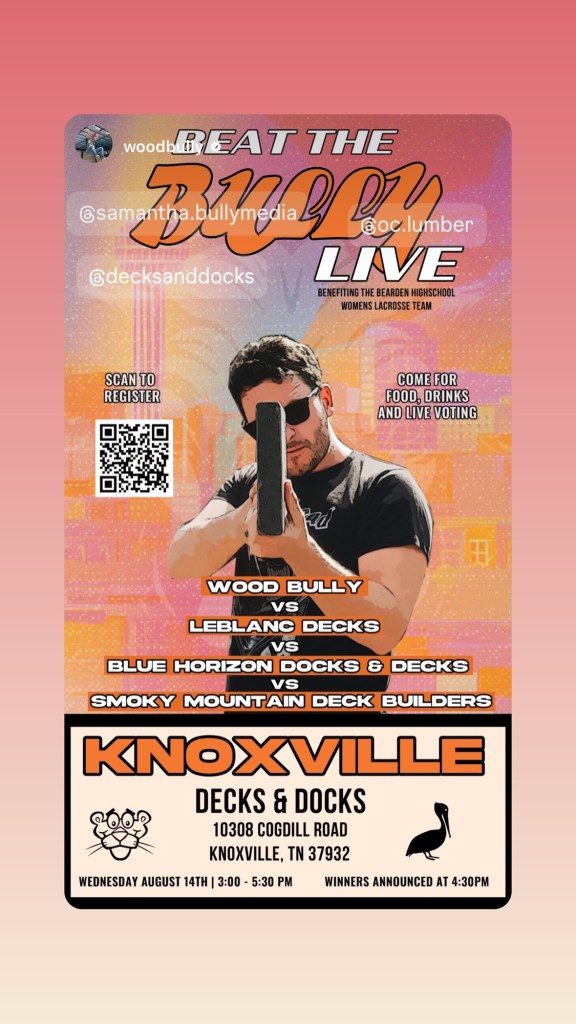
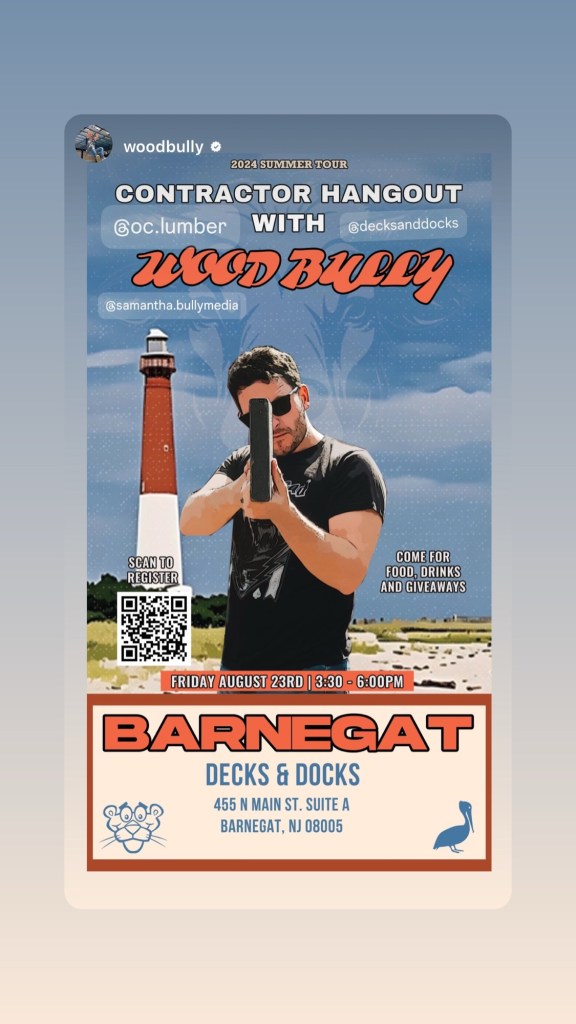
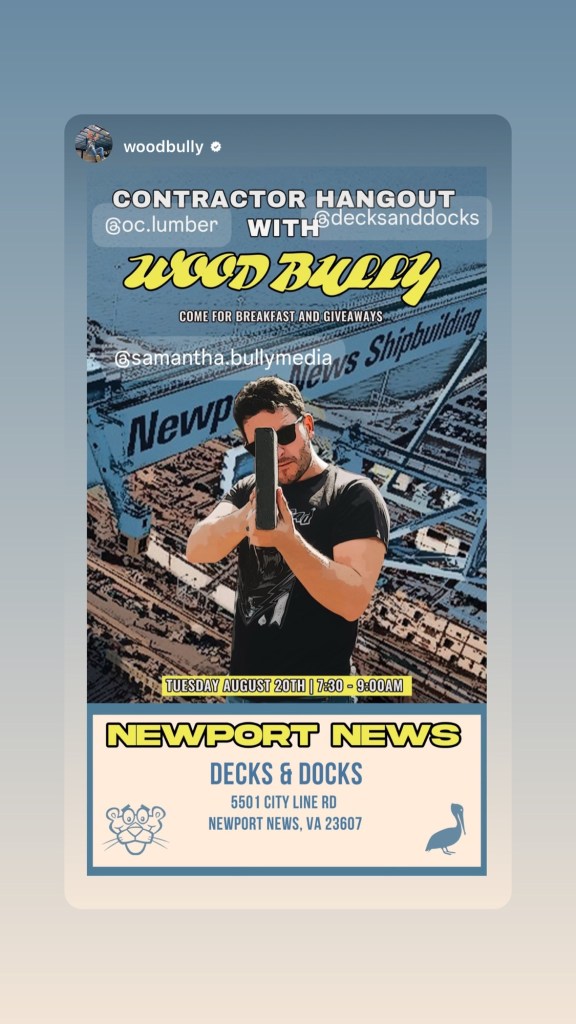
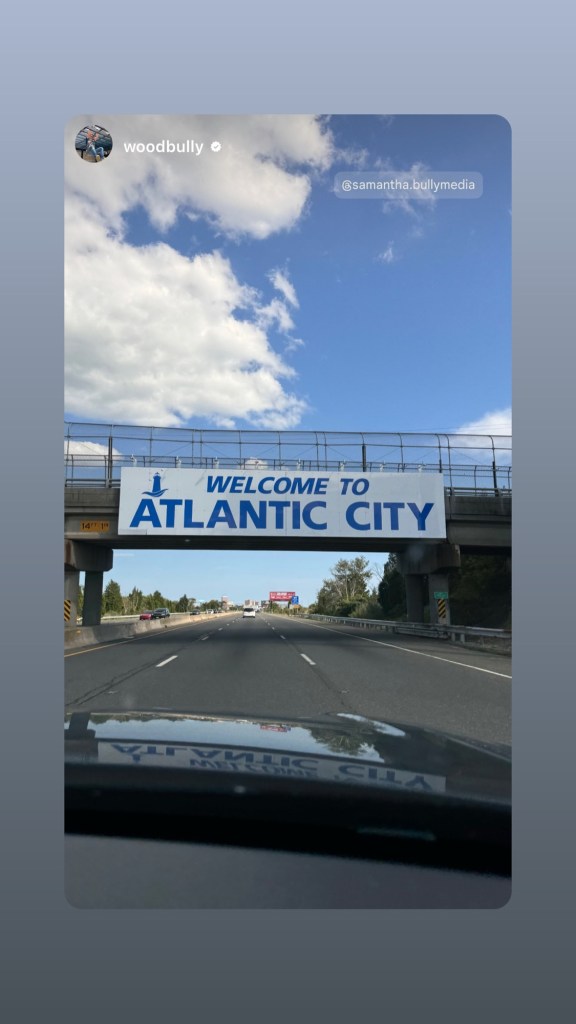
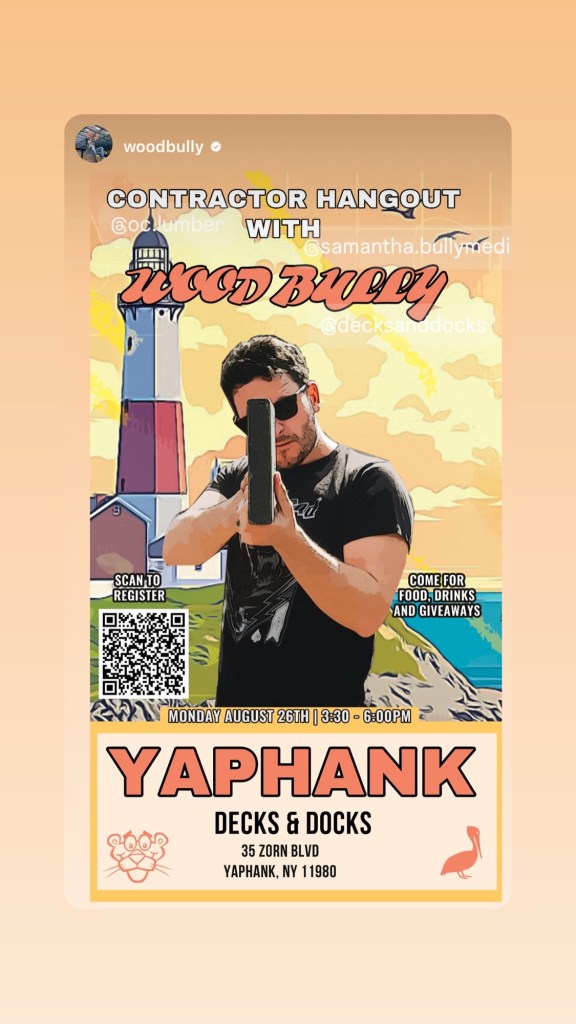
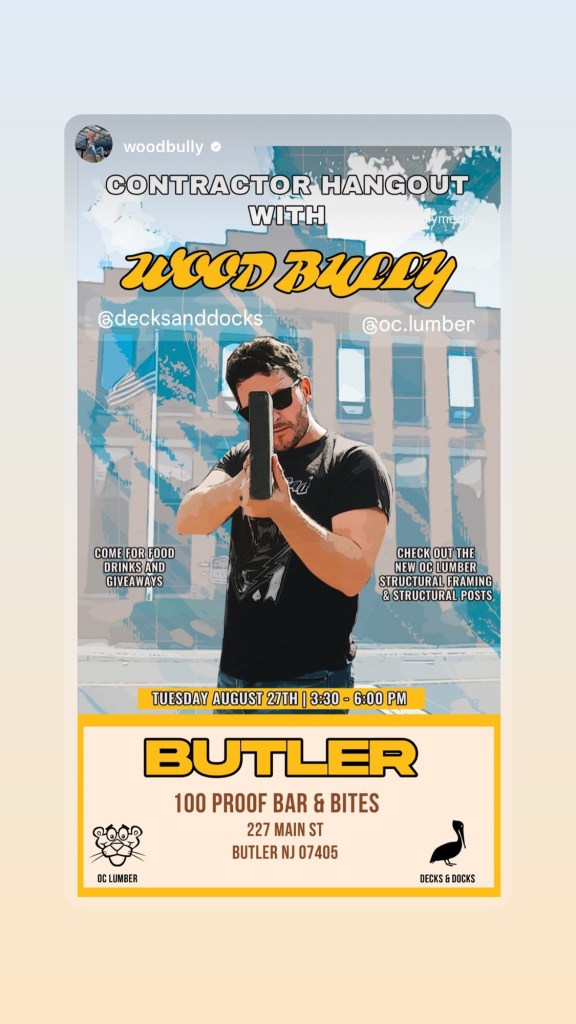
From Marathon, the stops came fast: Key Largo, Fort Lauderdale, Fort Myers, Cape Coral(which Gord kept calling Cape Canaveral – I have the videos to prove it!) Sarasota (Siesta Key sunsets!), Bradenton, Winter Haven, and Orlando — after Orlando we flew home for four days for our son’s birthday. Then Clearwater, St. Pete Beach, a pizza stop in tiny Tarpon Springs, Hudson, Daytona Beach, Jacksonville, Savannah, Dutch Island, Charleston, Greenville, Birmingham, Nashville, Knoxville for a competition series, Charlotte, Wilmington (where we surprised Gordon for his birthday), Newport News, Baltimore (never again), Atlantic City, Barnegat, Long Island, Butler, NJ, and finally Providence, Rhode Island.

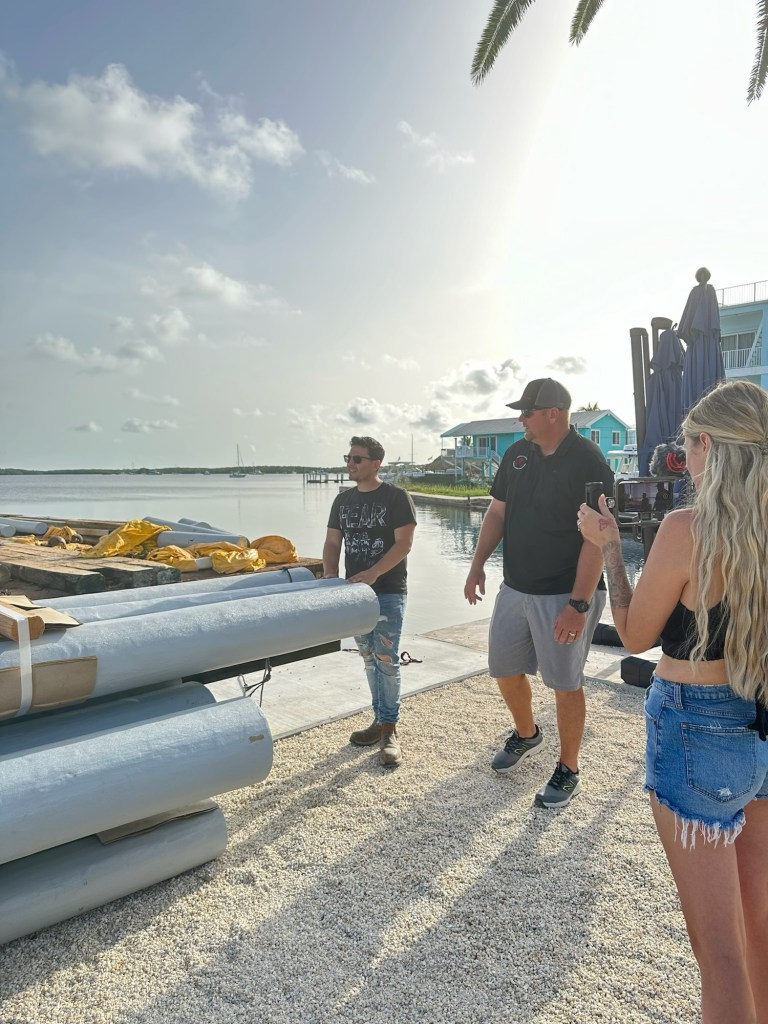
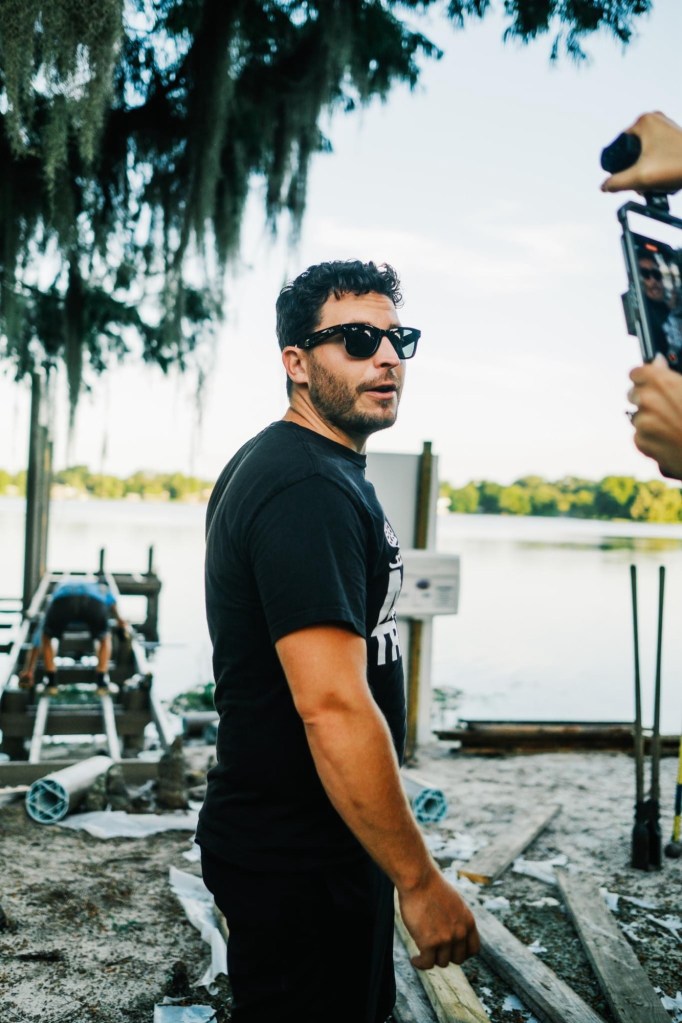
Every day was early mornings, building or appearances, sleep, then driving to the next city. Just Gordon and me traveling together. I handled production, logistics, and everything at home, while Gordon was the creative genius on camera. Casey and Kevin were there almost every stop, keeping everything organized, anticipating problems before they happened, and somehow making the tour feel possible. Casey’s dedication went far beyond logistics — he was our mentor, our problem-solver, the calm in the chaos, and someone who believed in us when we were still figuring out if we believed in ourselves.

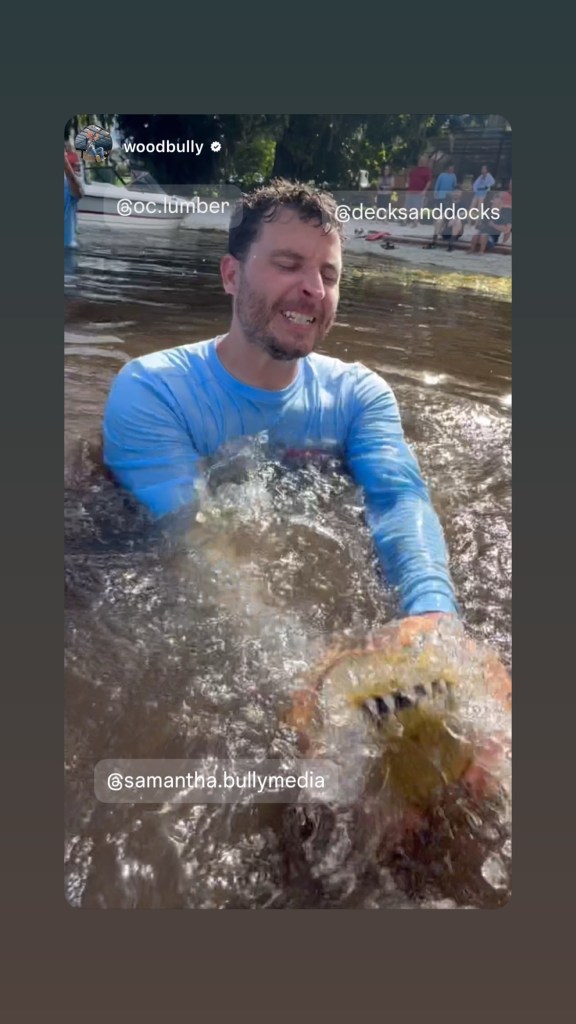
Some moments were unforgettable. Watching Gordon, who couldn’t swim, get on water skis ( TWICE! ) was absolutely hilarious — and terrifying. He had practiced swimming in hotel pools for days beforehand. He was sore for a week. I laughed so hard I cried ( I also have videos of this). And there was that pizza in Wayne, New Jersey. I swear I dream about it all the time. And then there were the contractors everywhere recognizing Wood Bully — telling us we’d inspired them, taught them what they knew, or motivated them to start their own companies. That part hit me in a way nothing else did. All the chaos, stress, and long drives suddenly had meaning.

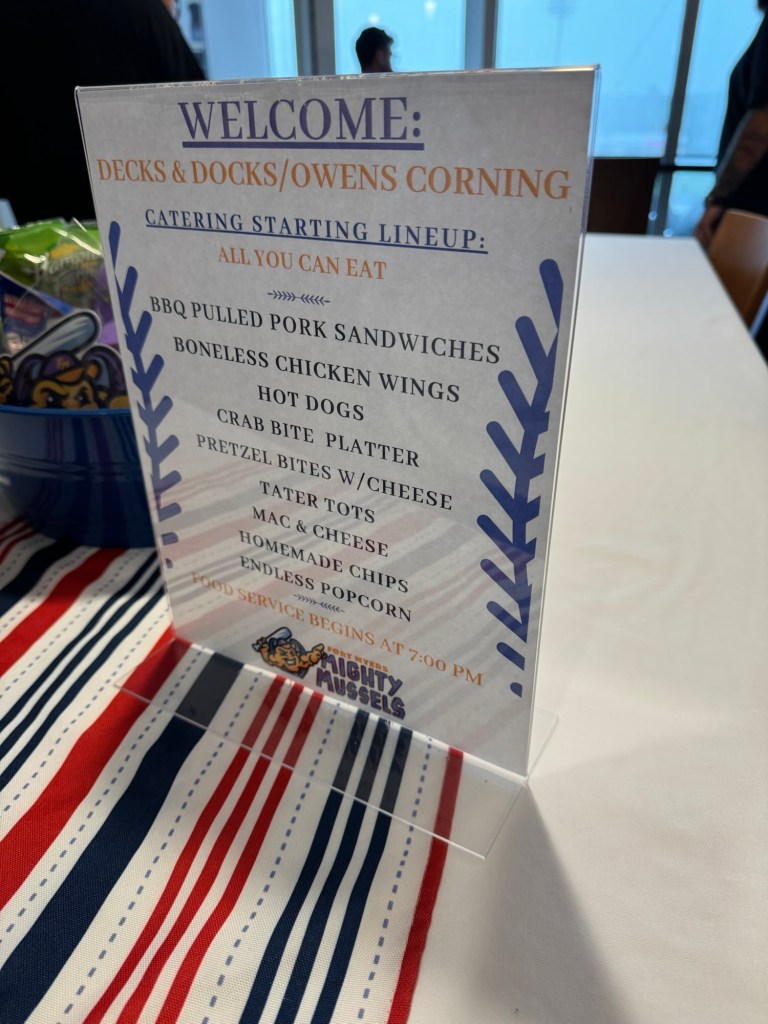
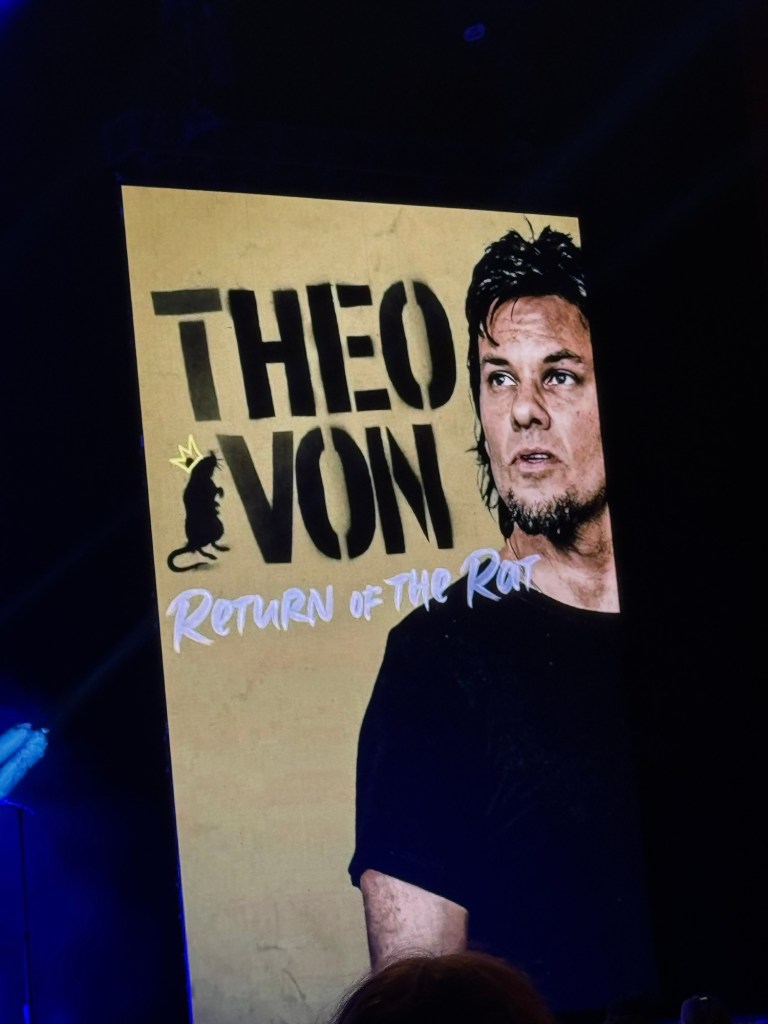
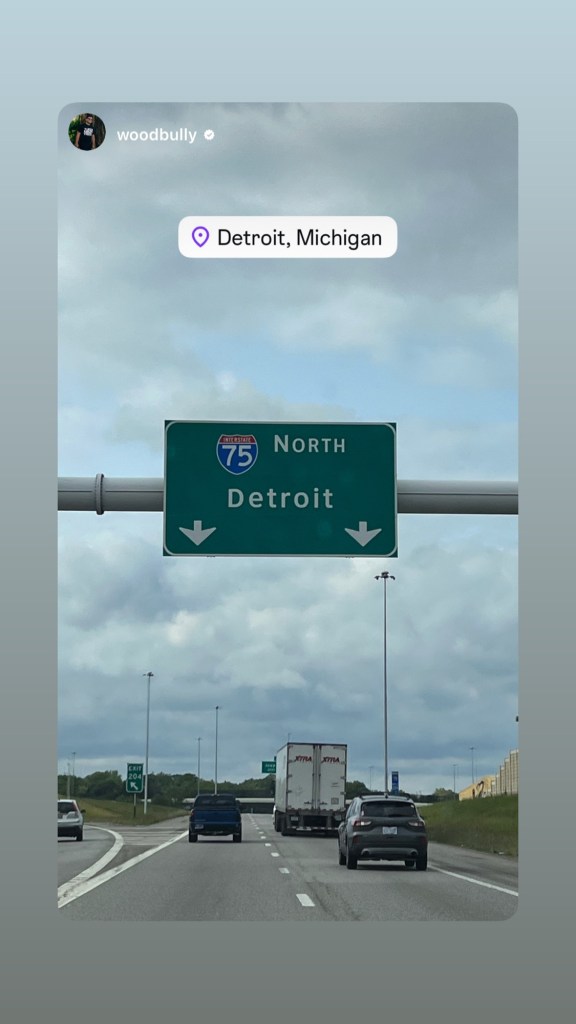
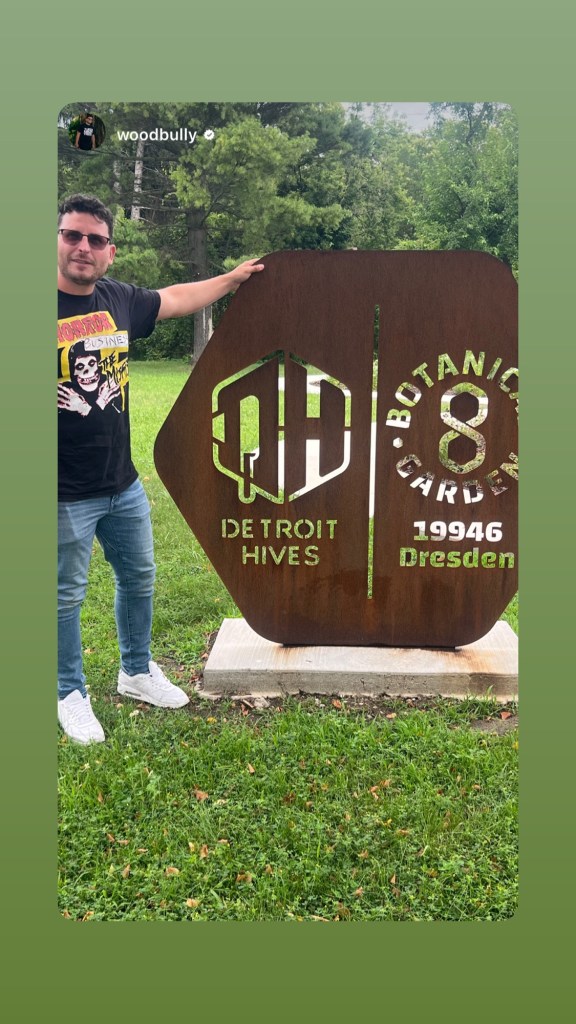
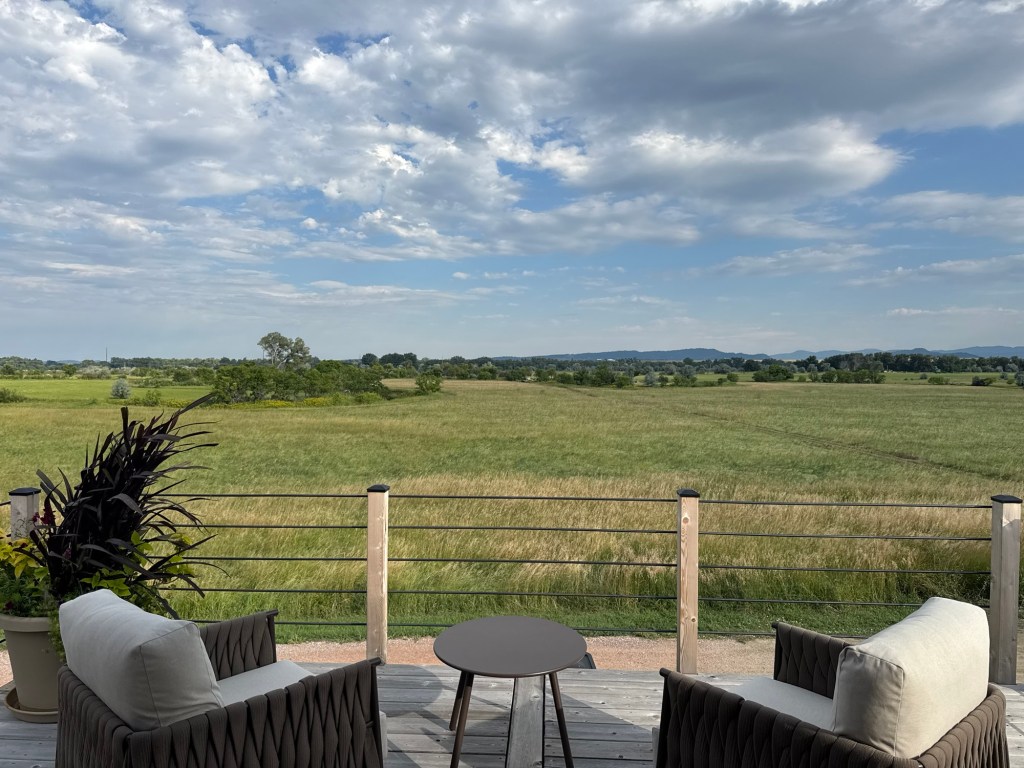
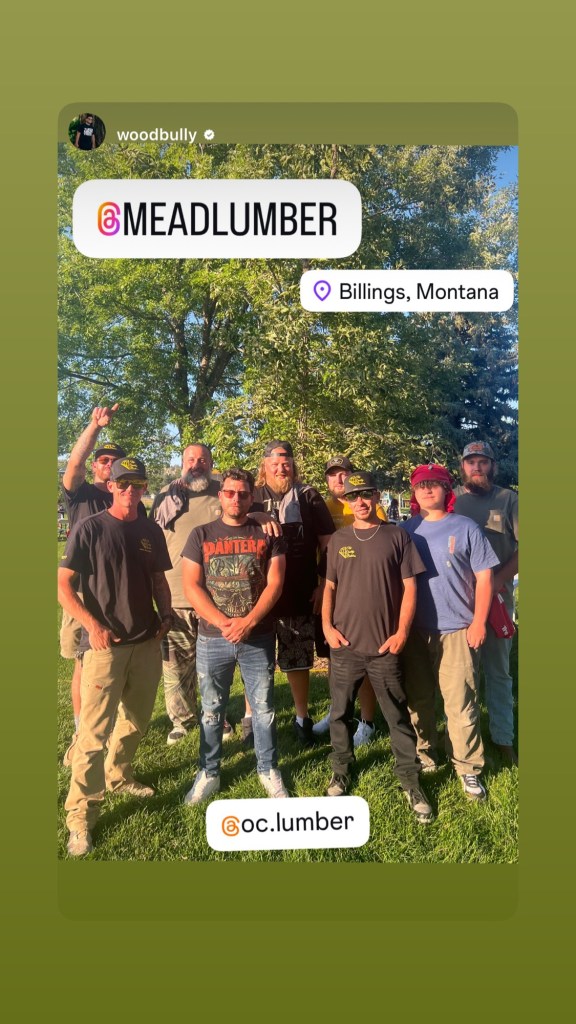
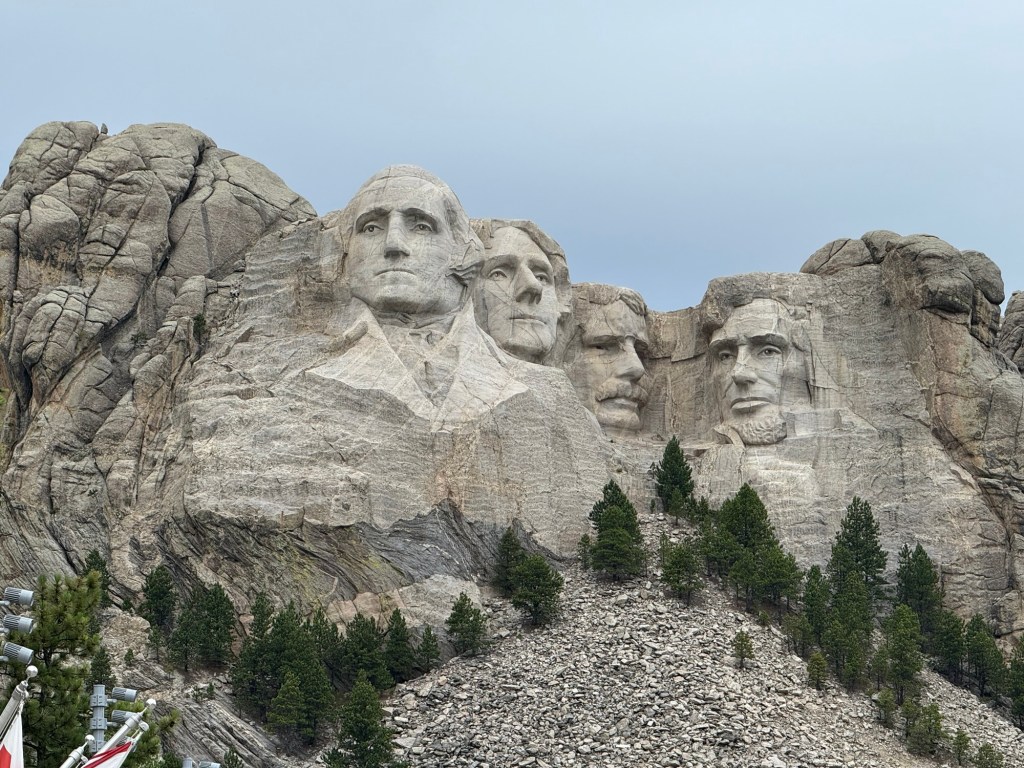
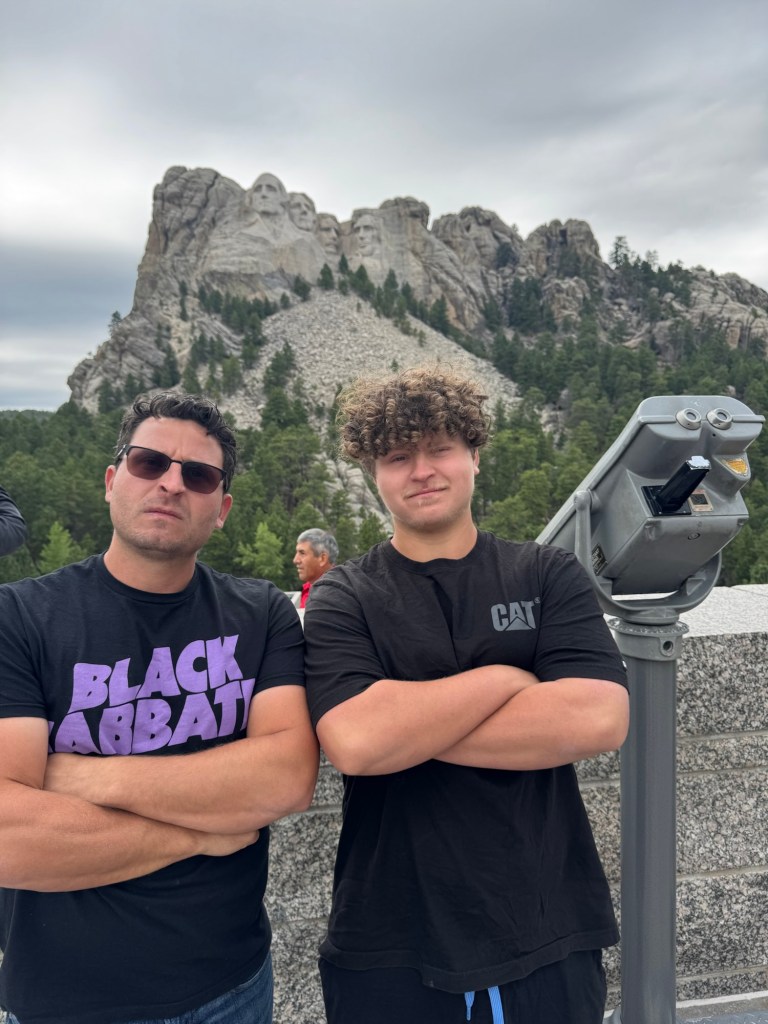
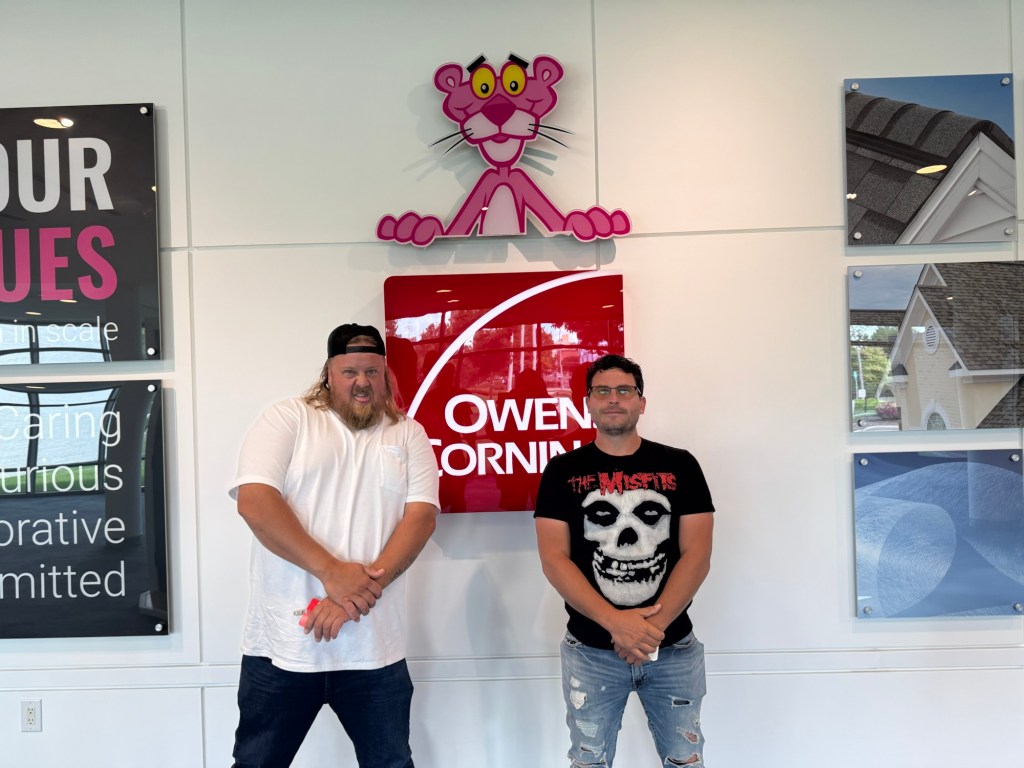
2025 was different. We went back to the drawing board and decided to slow down. Instead of flying in and out of job sites in a day, we stayed a week, really building relationships, learning from crews, and creating more meaningful content. We started in Detroit with Theo Von ( watching his stand up show ), then Cleveland, Massachusetts, Boston, Fargo (a two-day drive!), Short Grass Resort in South Dakota, Billings, Montana (where our brand-new vehicle broke down, nightmare), Toledo for the Owens Corning headquarters, and finally a bowling alley hangout before heading home. Spending more time at each stop made everything feel more connected — less rushed, less stressful, and way more rewarding.

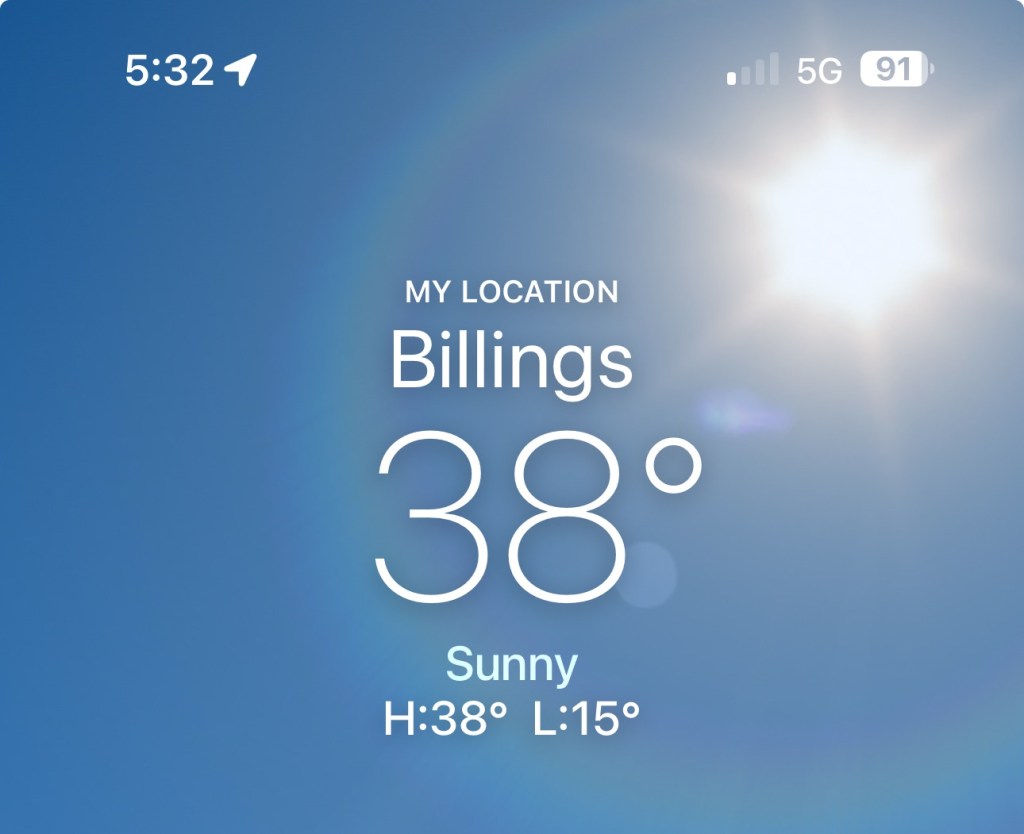
Even the tough moments are now part of the story. The Billings breakdown could have broken me emotionally — six of us stranded, rentals, flights, logistics — but we somehow made it work. That experience taught me more about adaptability, patience, and teamwork than anything else on either tour.

Through it all, the biggest lesson was about people. Casey became family. Contractors became friends. Gordon and I learned how capable we really are, how adaptable we can be, and how incredible it feels to turn a five-year idea into a tangible reality. I also learned that I can thrive in chaos, that I can hold everything together when needed, and that relationships — real, honest, human relationships — are what make the grind worth it.

If I had to sum up both tours in one sentence, it would be: holy shit, that was epic. I can’t wait to do it again, and I know that with Gordon and the incredible people we met along the way, the next chapter will be even bigger.

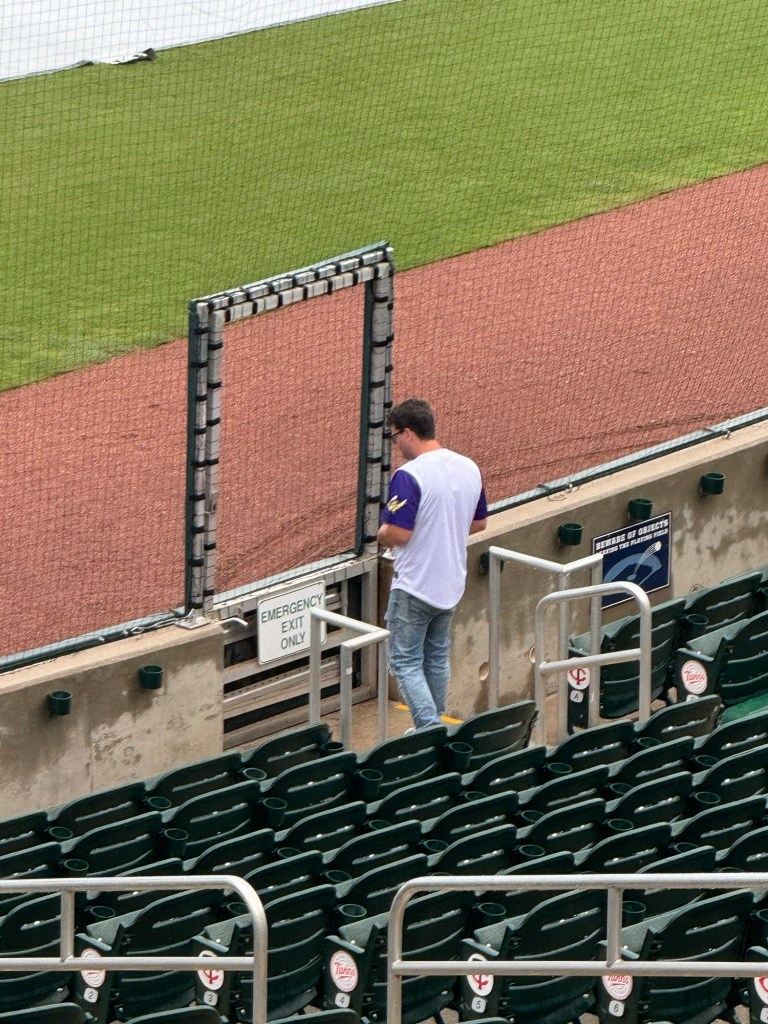
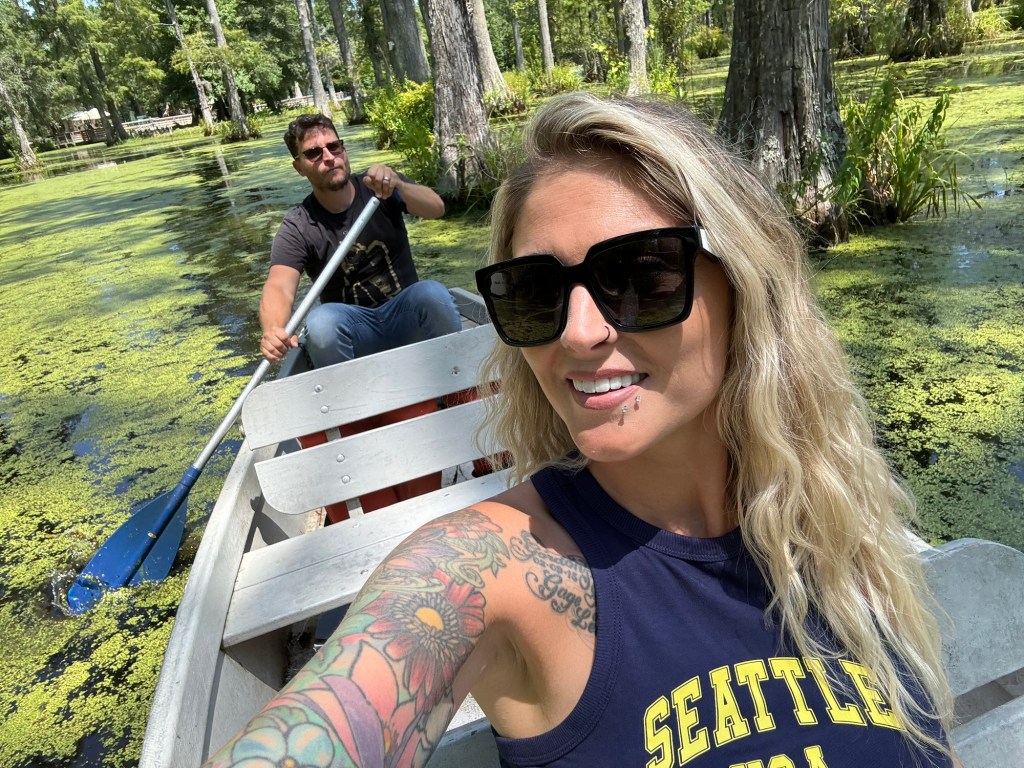
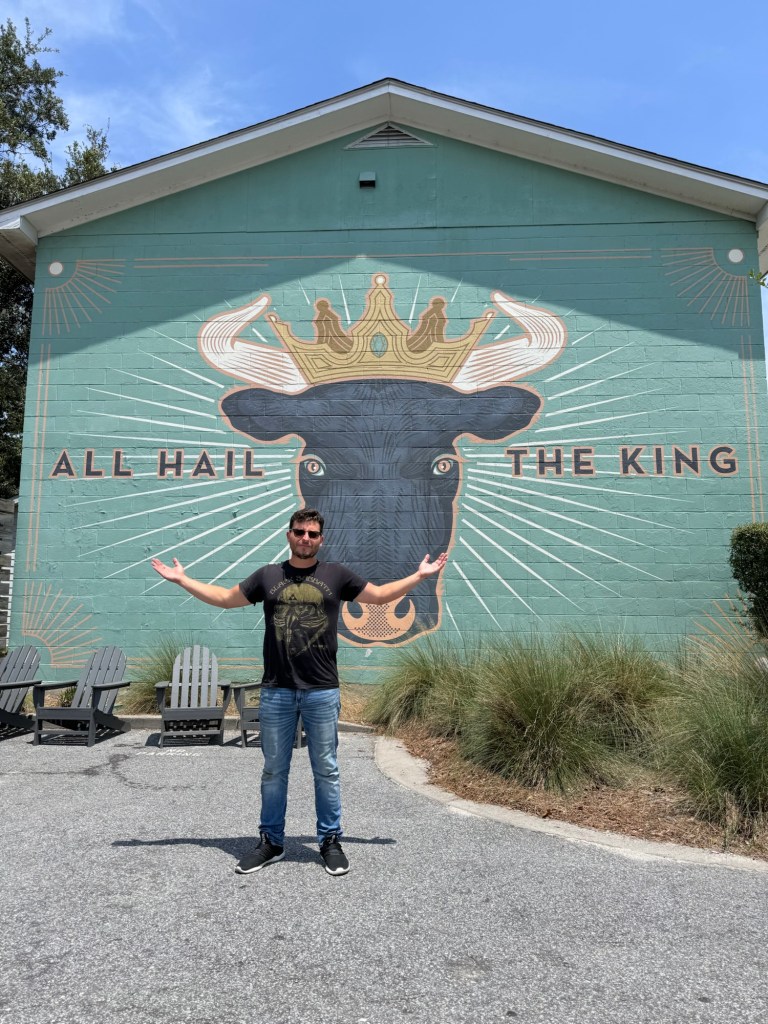
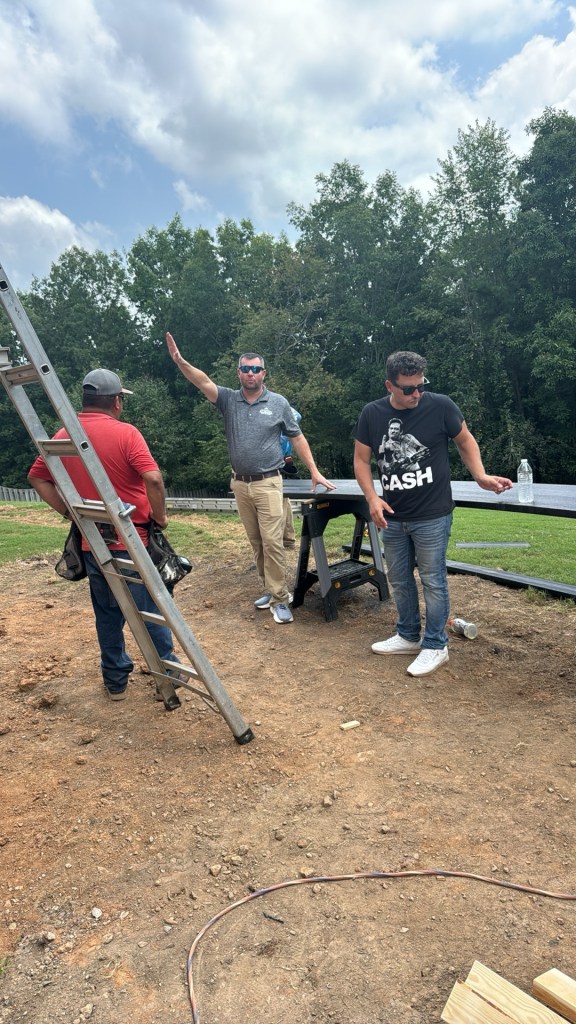
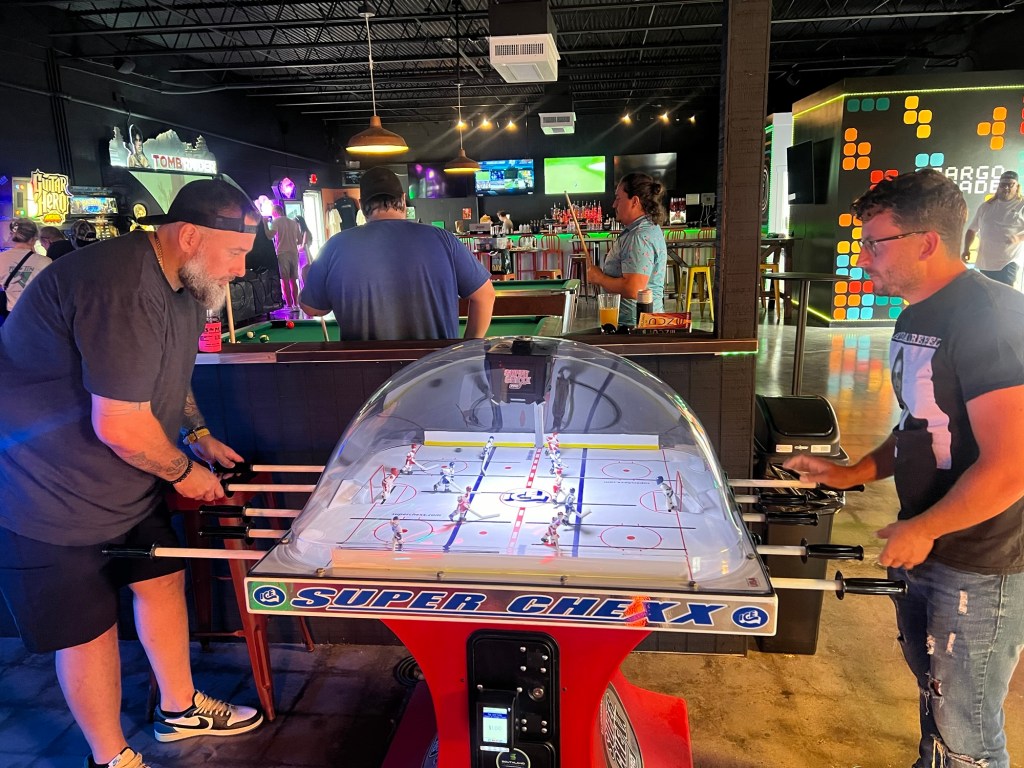
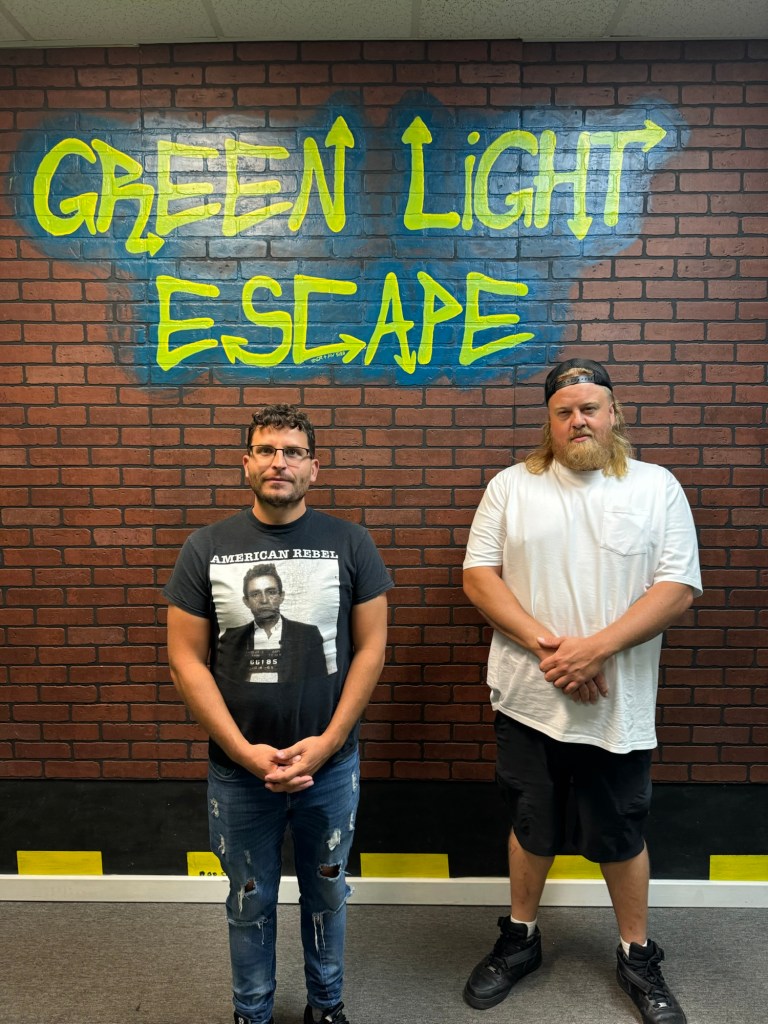
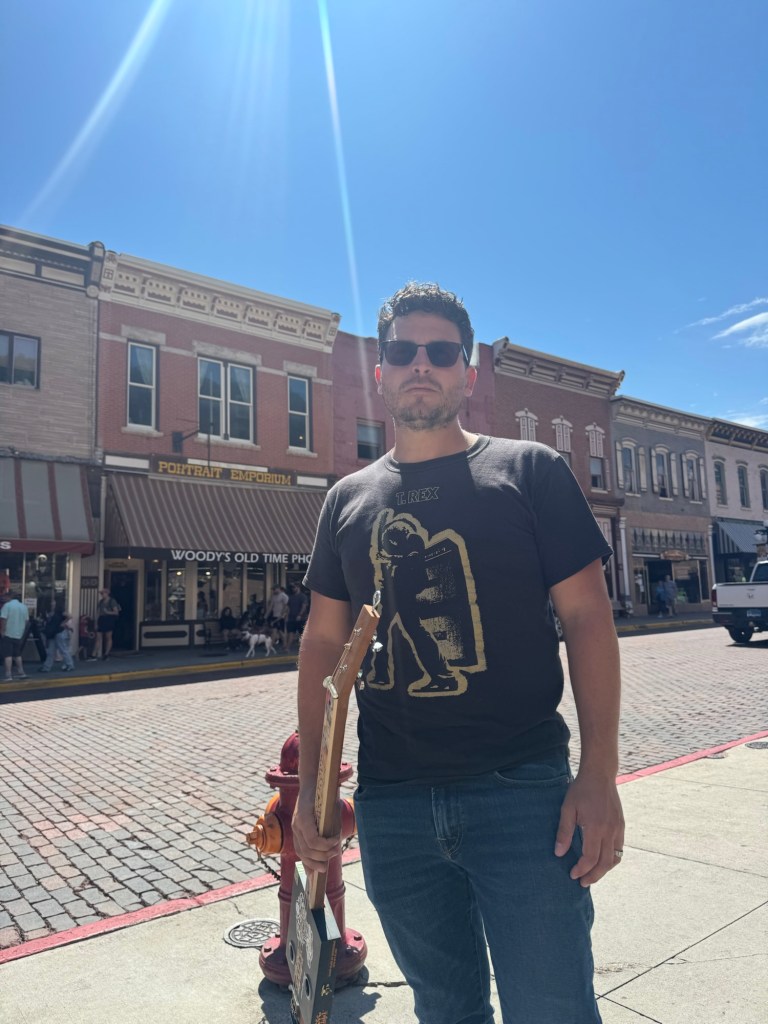
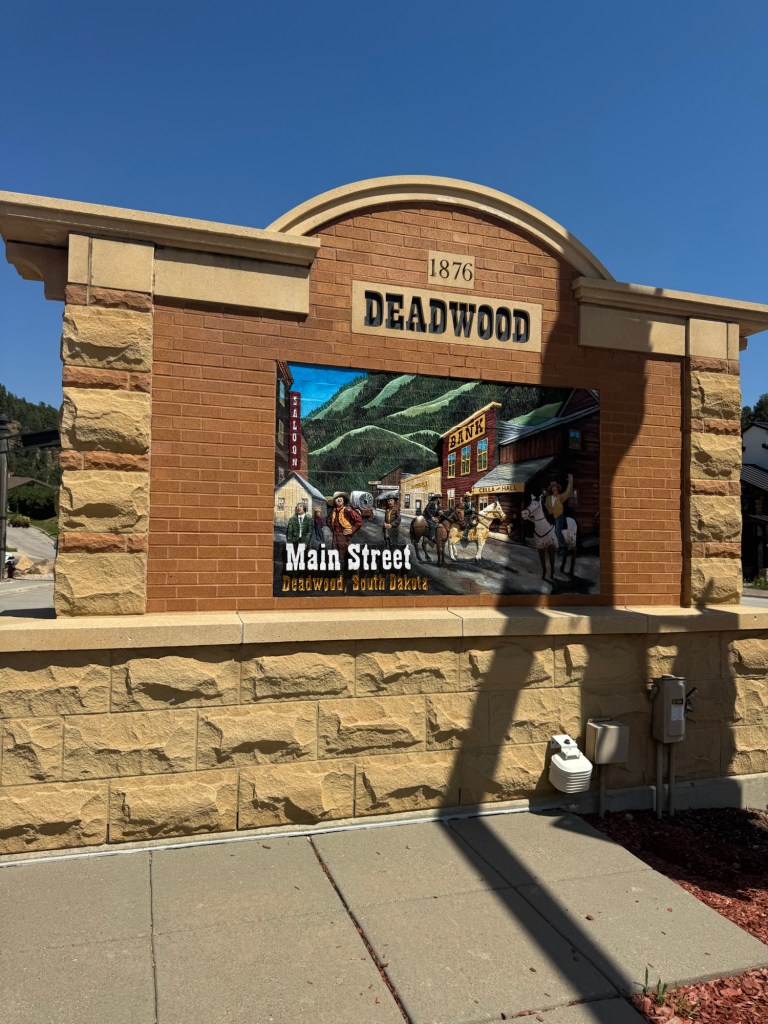
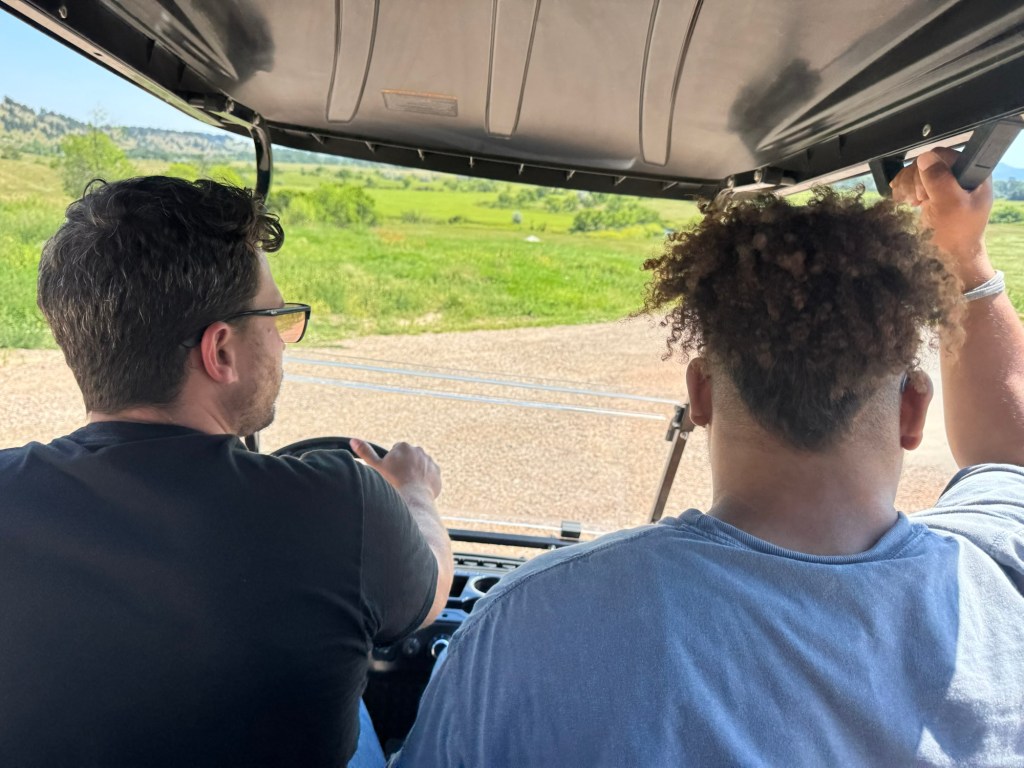
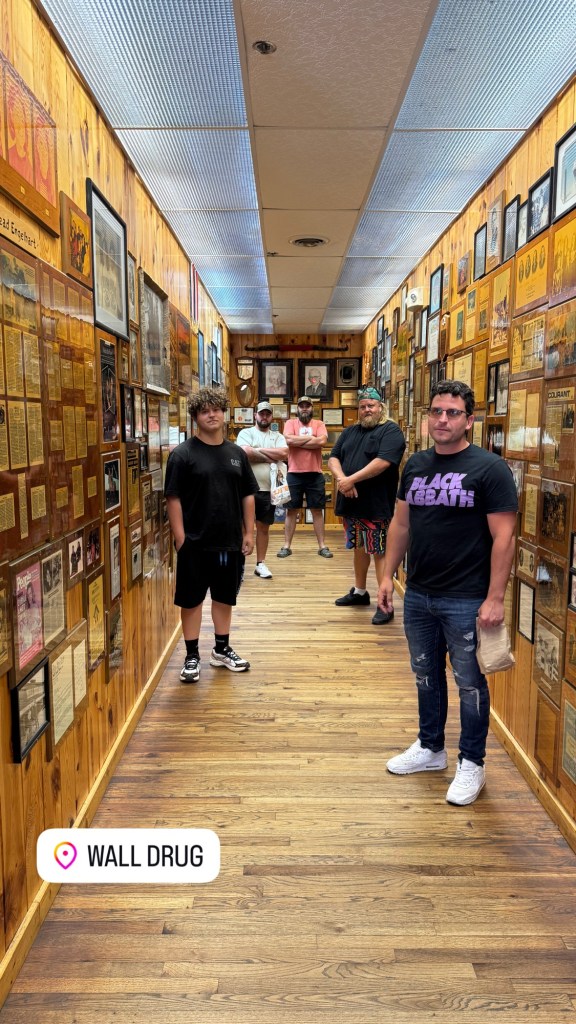
I put some photos at the bottom because writing about this just doesn’t do it justice –

-Samantha

Q: How do you price brand partnerships? Is there a formula to make sure you’re not undercharging or overcharging?

When I asked Gord this question, he didn’t hesitate. He said, “No. There’s no formula. The best advice I was ever given—and it actually makes sense—is you charge what the market will allow.” He explained that in this space, we’re not negotiating with regular people who saved up for their backyard. We’re dealing with corporations. These companies are handed budget money, and their job is to take that budget and generate as much buzz and visibility as possible. So when they come to you, they’re not coming with emotion or personal sacrifice. They’re not stretching their personal savings. They’re looking for a return.

“That humility, that blue-collar shame that gets built into us from the time we’re kids—the idea that we shouldn’t ask for more, or that we don’t deserve more—that’s wrong. Corporations don’t care what your rates are. They care what fits in the budget. They’re not taking it personally. Smaller companies might take it personally, and honestly, you might have to avoid those, the same way you avoid small construction jobs that cause more trouble than they’re worth.”

He pointed out how strange the landscape is. “These companies will go pay ten times more to a magazine that nobody reads anymore, or a TV show that doesn’t give them proper credit, or some outdated website with no audience. They’ll throw huge amounts of money at dead marketing channels, but hesitate with creators who get millions of views. That’s the part people forget—you’re not just making content. You’re editing, producing, hosting, broadcasting, and your likeness also costs money. You’re basically the production company, the network, the actor, and the editor, all in one.”

Then he made the comparison that most creators never say out loud: “We actually perform better than TV. Our company reaches more people in a month than HGTV does. So technically, we should charge more than a traditional TV commercial. But we don’t. And that’s because the space is still new, and a lot of the decision-makers are older. They don’t always understand the value they’re getting.”

What about when a brand gets offended by your price? Gordon was blunt: “If someone’s offended that you asked for the rate you feel you deserve, that’s not someone you want to work with anyway.”

He also talked about something that creators rarely discuss publicly—the tension with certain marketing directors. “Some smaller companies hire marketing directors who went to university, got their marketing degree, and they’re very proud of that. They look down on people like me—a construction worker who one day tossed his apprentice a phone and started this whole thing. But now they need me to push their product. They’ll give you attitude, try to micromanage your edit, or ‘fix’ your video. Yet when you look at their socials? Nothing going on. They might know a lot academically, but they don’t know what I do.”

He wasn’t bitter about it—just realistic. “You have to ignore the egos. Keep moving. Don’t let someone else’s pride or credentials make you doubt your worth.”

Then he said something I think every creator should hear: “You can’t take yourself too seriously, but you’ve got to know what you’re worth. And you can’t work backwards. You can’t work for free. You can’t work just for money. And you can’t let your ego drive the bus.”

He talked about creators who will do massive work for almost nothing, just so they can say they have a “paid partnership.” “That’s an ego thing. It’s not business. For me, I’ve always stayed away from paid partnerships. I don’t want my whole page to turn into a commercial. I don’t think that helps build a brand. In fact, I think it hurts it. You’ve got to be selective. You’ve got to pick partners who understand value and respect your work.”

In the end, Gord’s answer wasn’t a formula—it was a mindset. Know your worth. Know the market. Don’t let old-school thinking or someone else’s ego convince you that you deserve less. And price based on value, not fear.