Webby Awards

I was told this show wasn’t possible to make. That’s where this all starts.

Back in 2022, I had the opportunity to meet Bryan Baeumler at the International Builders’ Show in Orlando. Someone I had looked up to for years. What was supposed to be a quick conversation turned into something more, and he gave me more time than he had to. At one point, he said if I ever came up with a show idea, I could pitch it to him. If it was good, he’d put me in front of a production company and take it to a network.

That wasn’t something I took lightly.

Standing there, I came up with the idea on the spot.

At the time, it was called Beat the Bully. The idea came from what I was dealing with online every day. The comments were constant. It didn’t matter what I posted, someone always had something negative to say, someone always knew how to do it better. So the idea was simple: if you think you can do it better, come prove it. Step out from behind the keyboard and compete against me in a real build.
I pitched it right there. He loved it. He put me in front of his production company, and I pitched it properly.
They said no.
They were respectful about it, but the feedback was clear. It wouldn’t work. Haters wouldn’t actually show up. It would be too volatile, too difficult to produce, and too hard to make financially viable.

And to be fair, they weren’t wrong about the difficulty. This is a hard show to make.

But I wasn’t willing to let that be the end of it.

We had another production company take a run at it. They signed a small deal and shopped a sizzle reel around, but it never went anywhere meaningful. At a certain point, I realized if this was going to exist, I was going to have to build it myself.

So I did.

No production company. No budget. No real plan beyond figuring it out as I went.

The first episode was exactly that. I had the vision and I knew what I wanted the show to feel like, but everything was happening in real time. There was no structure. No contracts. No schedule. No judging criteria. We were borrowing a corner of a warehouse, using whatever materials we could get, and trying to pull off something that shouldn’t have worked.

Episode one wasn’t a production. It was me trying to accomplish a mission.

Episode two is where everything changed.

Samantha had been there from the beginning, but stepping into that second episode meant stepping into the chaos and turning it into something that could actually run. What I had was the idea and the direction. What we didn’t have was structure.

So she built it.

Schedules were the first thing. Then contracts. Media releases. NDAs. Liability forms. The things nobody sees, but the things that make a show possible. Without that, there’s no protection, no control, and no way to grow it.

That shift changed everything.

We went from scrambling through a shoot to actually running one. We had call times. We had structure. Judges were coordinated properly and set up in hotels. Competitors had a space separate from the build zone. The camera crew had a dedicated area to set up audio and equipment away from the construction chaos.

It went from me trying to make something happen to us running an actual show.

From there, things started to build the way they were supposed to.

We changed the name from Beat the Bully to YouTuber vs Real Carpenter, and that alone made the concept make sense immediately. People understood it. They clicked on it.

The competitors changed too. The haters didn’t show up the way everyone thought they would, but the right people did. The first competitor, Bradley Dell, set the tone. He wasn’t there to talk, he was there to compete.

Since then, we’ve filmed 18 episodes. We’ve had people drive across provinces, fly in from Newfoundland, and show up because they wanted to prove what they could do. We’ve had creators, framers, builders, and people who had never been on camera before.

We’ve had judges like Michael Holmes, Deck DaVinci, Paul Lafrance, and Jon Dawson, all judging blind with no idea who built what.

And because the comments never stopped, because there was always someone saying it was rigged, we built a system to remove that completely. We created a formal scorecard. Judges fill it out on camera before the winner is announced. The result is decided before anyone hears it. It’s documented, it’s structured, and it’s fair.

That wasn’t part of the original plan. That’s something we built because we had to.

Behind the scenes, we’ve gone through multiple film crews and different production setups trying to figure out what actually delivers the best result. We’ve tested everything from small crews to full-scale productions and rebuilt the process more than once.

We invested in learning. We went through the Changer Studios Accelerator program put on by YouTube to understand packaging, storytelling, and how to actually hold attention. I’ve spent years refining the creative side of the show, while the structure behind the scenes kept evolving to support it.

We pushed it beyond just the shop. We filmed in Nashville. We ran a live version of YouTuber vs Real Carpenter with sponsors, booths, and a multi-day build that ended with live judging.

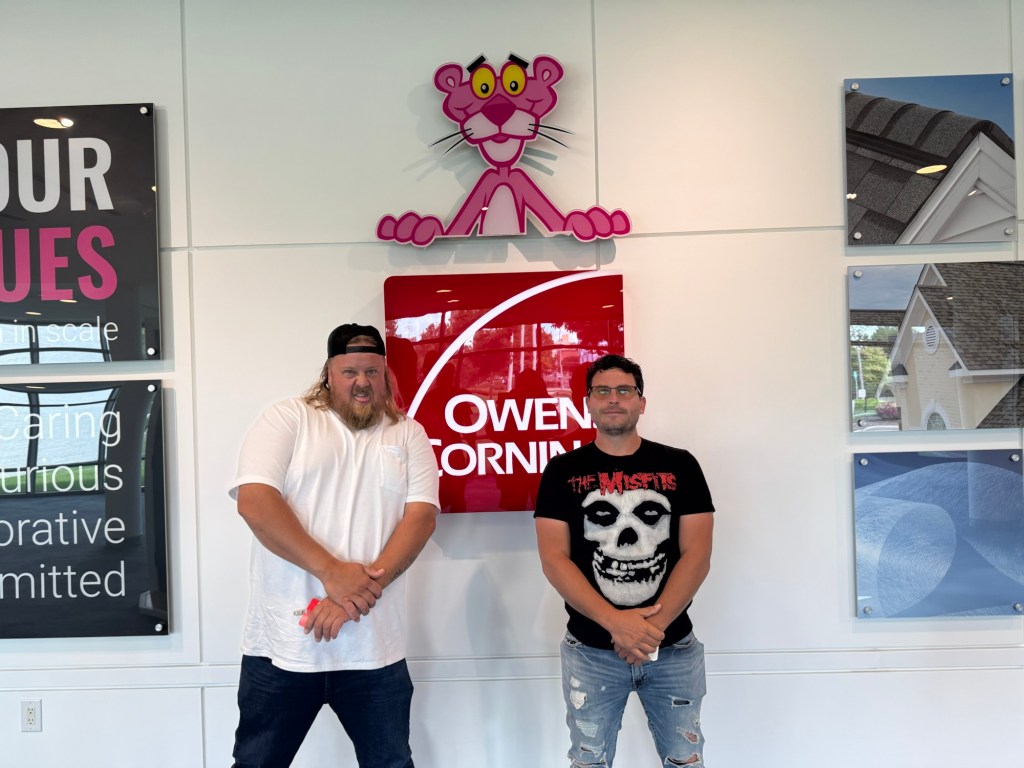
With the support of Owens Corning, we were able to move into our own warehouse and actually scale production.

And now, after all of that, we’re here.

We’ve been nominated for three Webby Awards in the DIY category: Explainer / How-To, Home & Design, and Brand Ambassador. We’ve also been named an Honoree in the Unscripted Series category for YouTuber vs Real Carpenter, out of over 13,000 entries.

This is considered one of the highest recognitions in digital content.

The reality is, we were never supposed to get here.

This started with an idea that got rejected, a first episode that barely held together, and a process that had to be built from nothing. I had the vision and refused to let it go. Samantha made sure it could actually run, grow, and become something real.

This wasn’t one viral moment. It wasn’t overnight success.

It was built episode by episode, mistake by mistake, fixing what didn’t work and doubling down on what did.

And what this proves to me is simple.

You don’t need permission to build something real.

– Gordon

The switch up

For a long time, Wood Bully lived in two worlds at the same time. One foot was firmly planted in the day-to-day public construction grind—quotes, timelines, weather delays, materials, client expectations, and the constant pressure of doing everything right while still staying profitable. The other foot was already standing in media—filming builds, telling stories, educating, entertaining, traveling, collaborating, and building something much bigger than a single job site. For years, we tried to balance both. And for a while, that worked. Until it didn’t.

The truth is, the construction side started demanding more and more of our energy while giving us less room to grow creatively and strategically. Not because we don’t love building—we do—but because running a public-facing construction company comes with a level of responsibility and risk that makes innovation harder, not easier. Every job meant real clients, real deadlines, real stress, and real consequences if anything went sideways. At the same time, the media side kept pulling us forward. The audience was growing. The impact was growing. The opportunities were growing. And we were constantly asking ourselves why the thing that was clearly working had to be treated like a side hustle.

So we made a decision that looks big from the outside, but honestly felt inevitable on the inside. We chose focus. We chose to stop splitting ourselves in half and go all-in on what Wood Bully has already become: a media brand built on real construction knowledge, real personalities, and real storytelling. Moving away from day-to-day public construction wasn’t about walking away from the industry—it was about serving it better. Through content, we can reach millions instead of dozens. We can educate, challenge, entertain, and push the trade forward without being limited by one project at a time.

What’s important to say clearly is this: the Wood Bully channel is not changing. The builds don’t stop. The chaos doesn’t stop. The honesty doesn’t stop. The sawdust doesn’t magically disappear. If anything, this shift allows us to do more—bigger builds, better production, deeper education, more behind-the-scenes, and more time spent actually creating instead of constantly firefighting logistics. We’re not becoming a talking-head media company. We’re doubling down on being builders who know how to tell a story.

We’re excited because this move gives us control. Control over our schedule. Control over our creative direction. Control over how we grow and who we collaborate with. It allows us to build sustainable systems, invest in our team, and think long-term instead of job-to-job. It also lets us protect the Wood Bully brand in a way that public construction simply doesn’t anymore. No rushed timelines. No compromising quality. No forcing creativity into the cracks of an already overloaded calendar.

This isn’t an ending—it’s an evolution. Wood Bully was never just a construction company. It was always a voice, a perspective, and a way of showing the industry as it actually is. Going full-time media doesn’t take us away from that. It finally puts us exactly where we were heading all along.

The Most Important Lesson I’ve Learned Working in This Industry

If there’s one thing this industry has taught me — the kind of lesson you only learn after years of trial, error, and stubbornness — it’s this:

If you don’t know what you’re building toward, everything around you will pull you in a hundred directions at once.

And not gently.

This space is loud. Everyone has an opinion, everyone has a strategy, everyone swears they’ve cracked the code. And if you’re not anchored by something real, you’ll find yourself scrolling Google for escape plans and foreign residency requirements before your coffee gets cold. (Hypothetically. Maybe.)

People see the final outcome — the polished videos, the polished projects, the audience numbers — and assume there’s a straight line connecting all of it. But nothing about what we do is linear. Growth has a personality disorder. Some seasons feel electric and effortless; some feel like you’re dragging the entire internet up a hill.

What has surprised me most isn’t the workload. It’s the emotional weight of leading something that has its own identity now. Wood Bully and Bully Media aren’t just “our businesses” anymore — they are a living, breathing thing with expectations, momentum, and people who rely on it. There’s a responsibility that comes with that, one that grows louder the bigger this gets.

And that’s exactly why Gordon built this the way he did.

Not for attention.

Not for clout.

Not for internet fame.

He built it because he hoped that someday, all of this effort would circle back to his family — to more time, more stability, and more choices than either of us had growing up. Wood Bully started as a way to build something that would outlive the hustle. Something that could create freedom, not chaos. Something that could rewrite what “work” looks like for our family in the long run.

The part people don’t see is that purpose evolves.

It’s not a moment — it’s a discipline.

A practice.

A constant recalibration.

Purpose is what forces you to make decisions that aren’t popular but are necessary.

Purpose is what keeps you from taking shortcuts when the easier road is right there.

Purpose is what stops you from letting ego run the show.

Purpose is what keeps the entire thing aligned when the outside world feels messy.

And in a space where trends flip every five minutes, where platforms reinvent themselves overnight, and where everybody swears they found a “new formula,” that purpose has become the only compass worth following.

I’ve learned that success isn’t one big decision — it’s a thousand tiny agreements you make with yourself:

Who you want to be.

What kind of company you want to run.

What kind of impact you want to leave behind.

What kind of example you’re setting while you build it.

Everything around Wood Bully has evolved. The audience, the content, the direction, the opportunities — all of it has changed dramatically from where we started. But the intention behind it hasn’t drifted even an inch.

We’re here to build something that outlasts trends, noise, and algorithms.

Something anchored in the kind of values that don’t go out of style.

Something our kids can look at and understand exactly what we stood for.

That — not the numbers, not the platforms, not the industry chaos —

is the reason we’re still standing.

And the reason we’ll still be standing ten years from now.

OC Lumber x Wood Bully

If you told me five years ago that I’d be traveling across the U.S. for two months straight with Gordon, building, filming, and chasing an idea that had been in my head for years, I probably would have laughed and told you that stuff just doesn’t happen to anyone. And yet, somehow, that idea — this crazy, half-dreamed, half-insane notion of a traveling carpenter media tour — actually happened. Twice. In 2024 and 2025, we set out on what became the OC Lumber Tour, and it was everything I thought it would be and nothing I expected at the same time.

The whole thing started in January 2024. I’d been talking about the traveling Wood Bully idea for years, begging Gordon to do it. And then, out of nowhere, we met Casey ( in person anyways) And Casey had been thinking the exact same thing. For a moment, it was almost unreal — like someone finally spoke the same language we’d been dreaming in all along. From that instant, everything clicked. Casey became more than a planner or organizer; he became a guide, a partner, and someone whose expertise we leaned on in ways I can’t even describe. He knows every hotel in the country, but he also listens, believes in your vision, and somehow manages to make chaos feel manageable. Having him there made this impossible dream feel achievable.

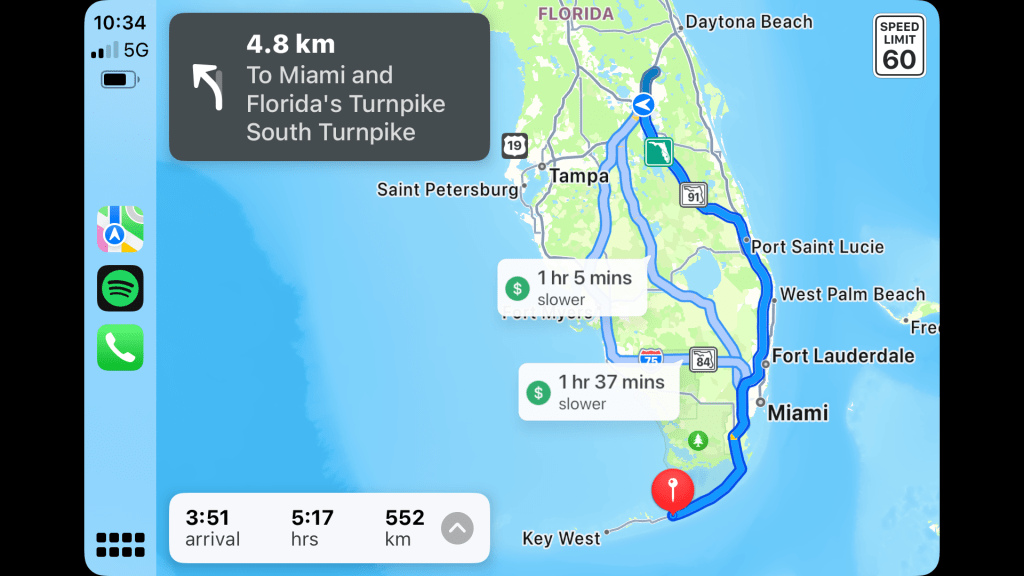
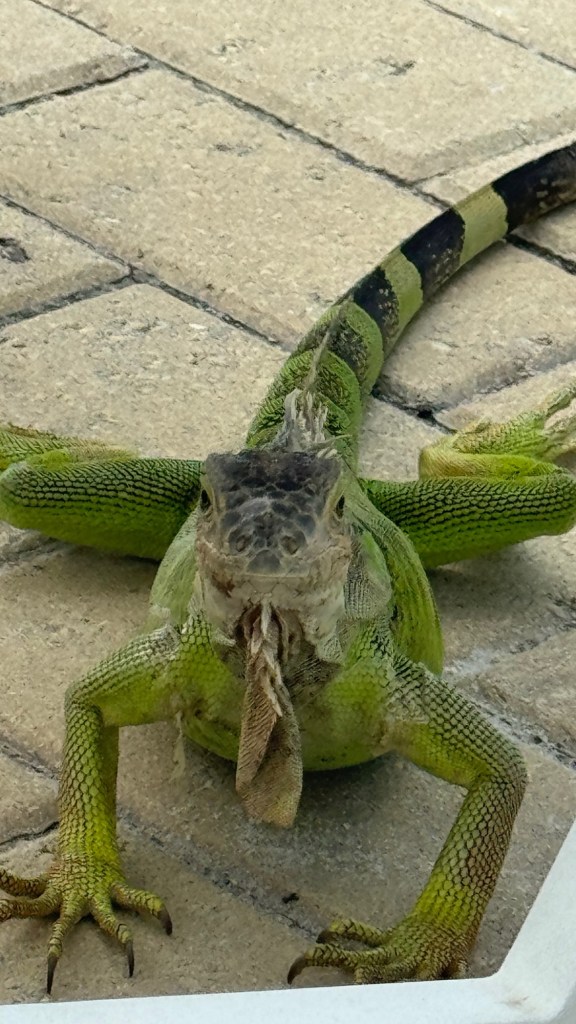
We left for the first tour on June 29, 2024, right after our son’s grade 12 graduation ( he graduated with honors 🎉) We drove to Washington, D.C., jumped on an overnight auto train to Sanford, Florida, and began the whirlwind. From there, we drove down to the Keys, settling into a hotel in Marathon right on the water. Huge iguanas wandered around the pool, completely unbothered by humans, and it was one of our first “holy shit, we’re actually doing this” moments. Florida stole my heart immediately.

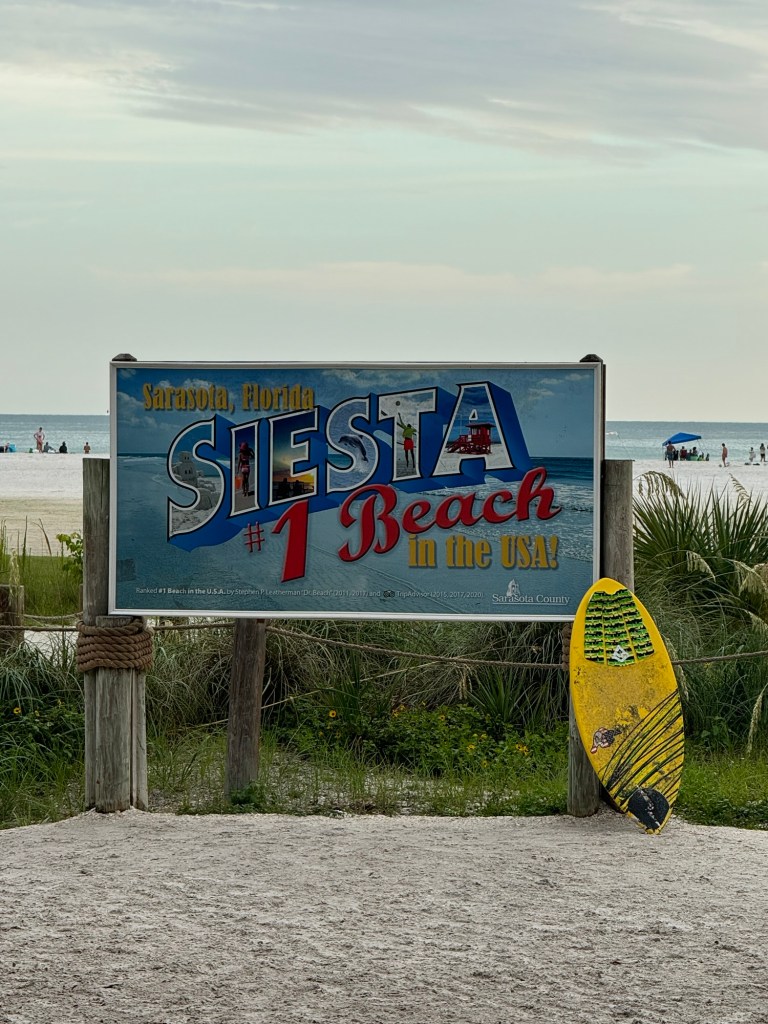
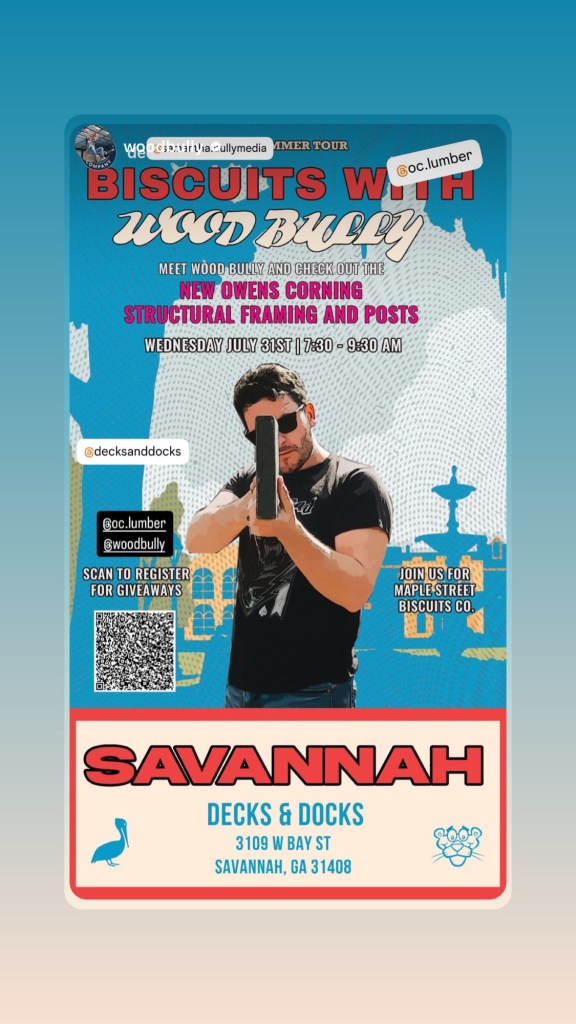
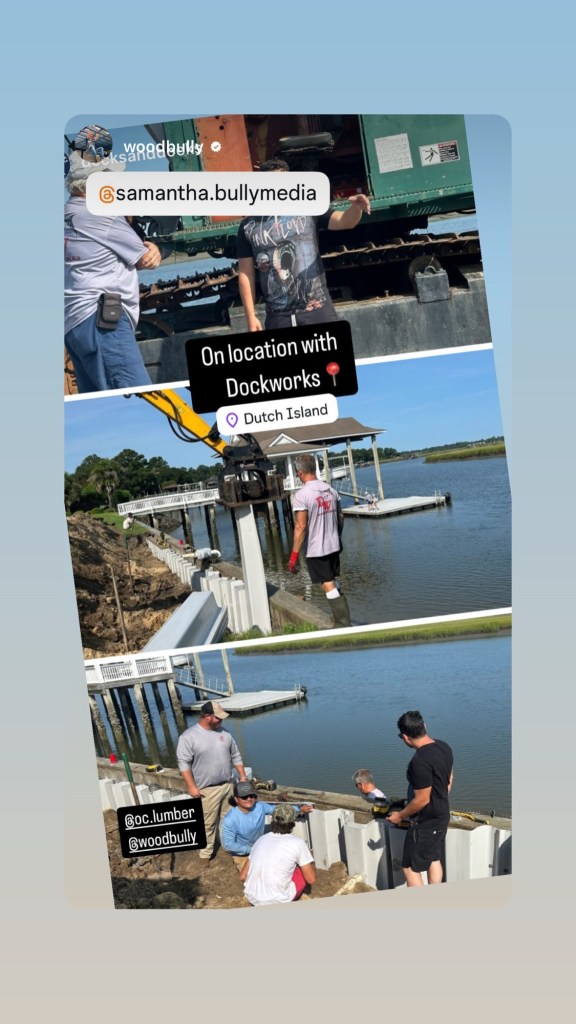
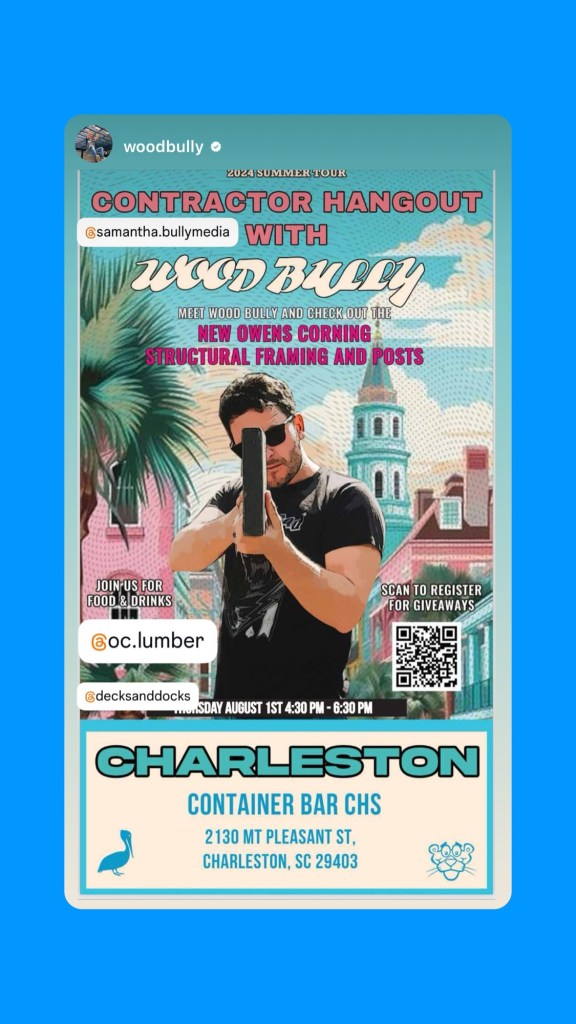
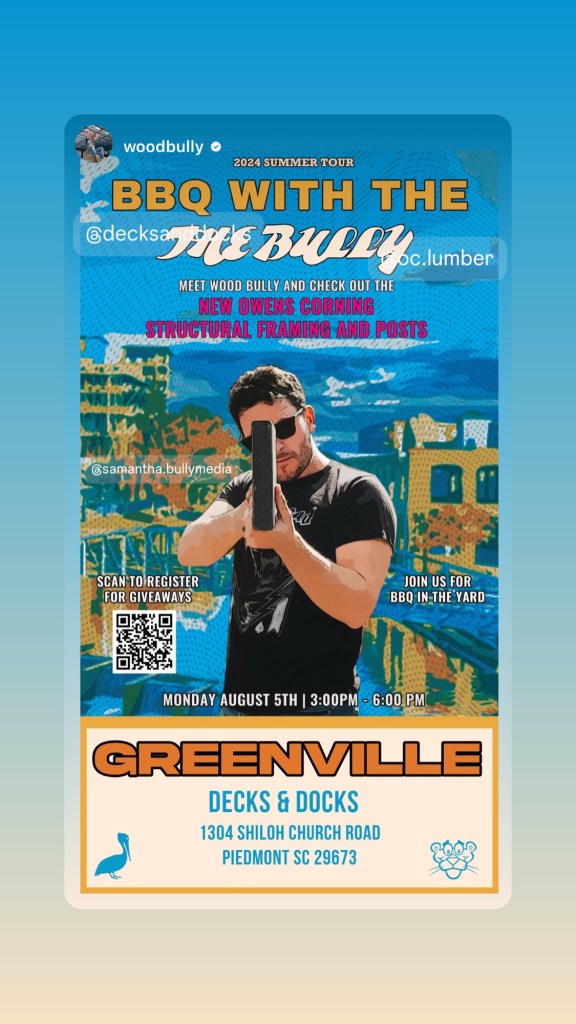
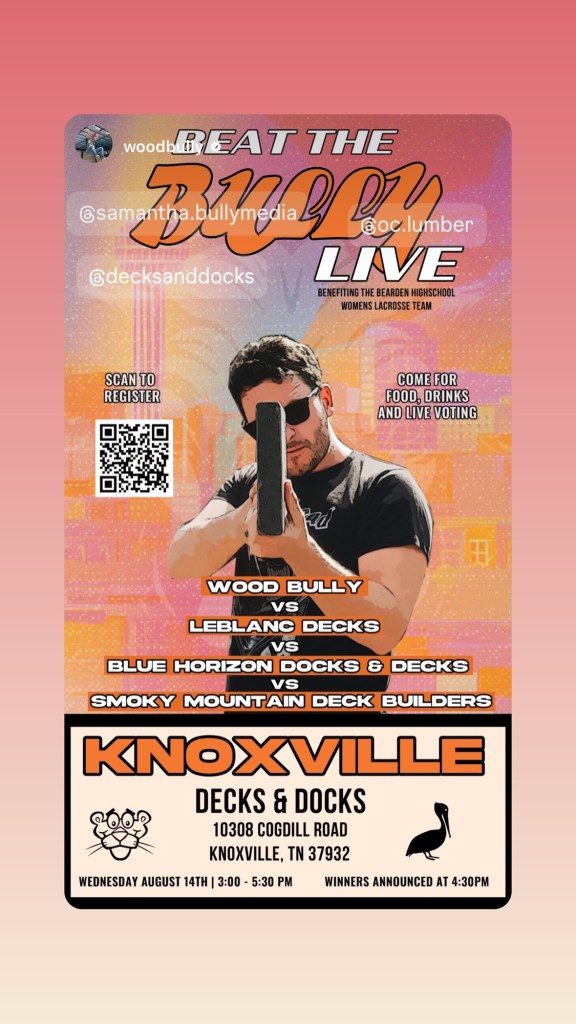
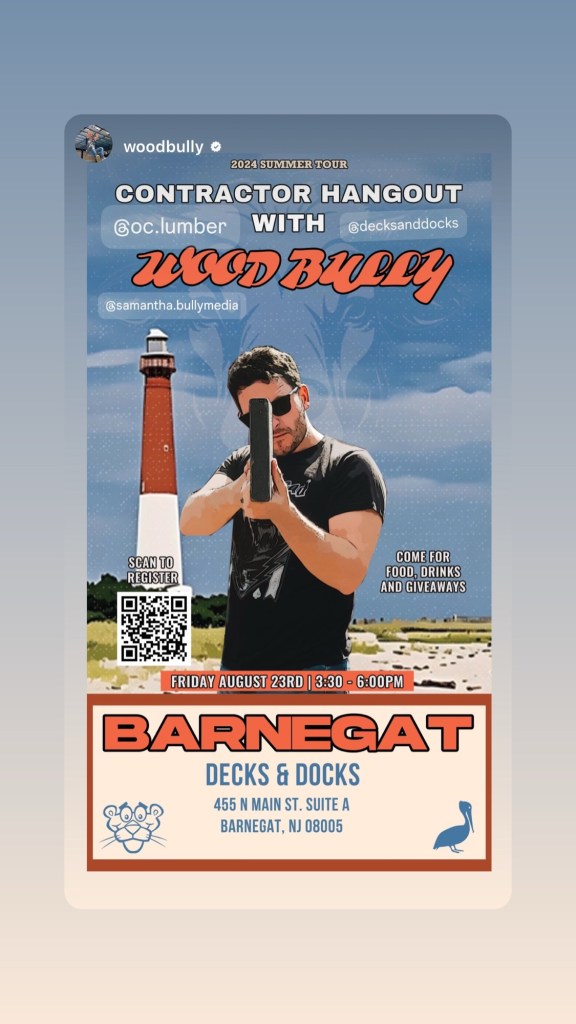
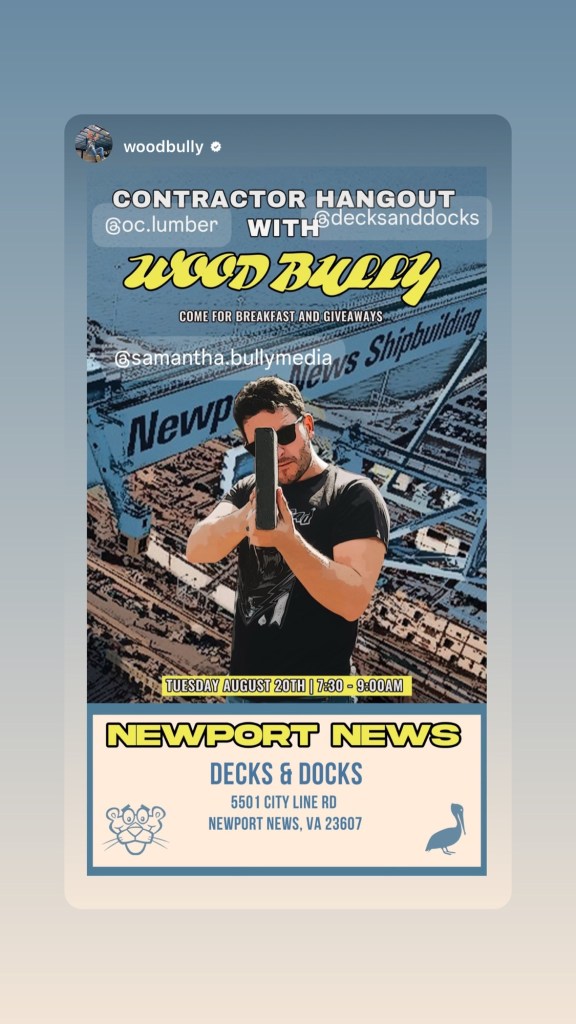
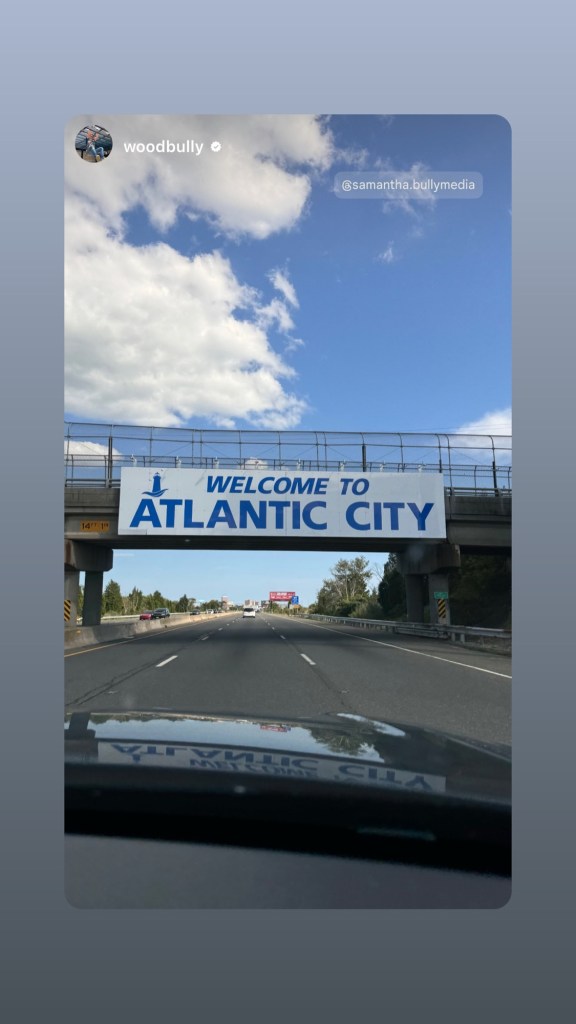
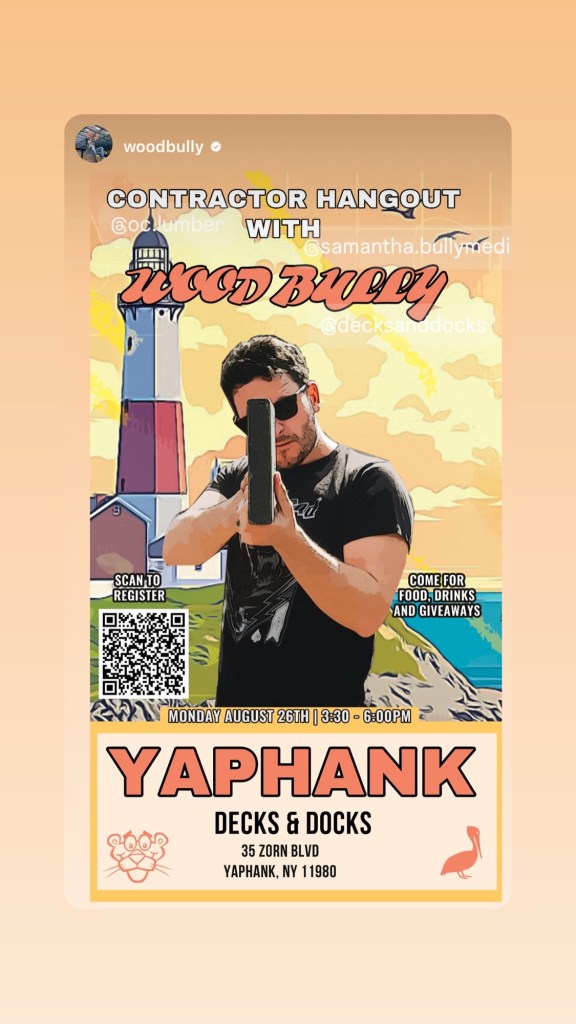
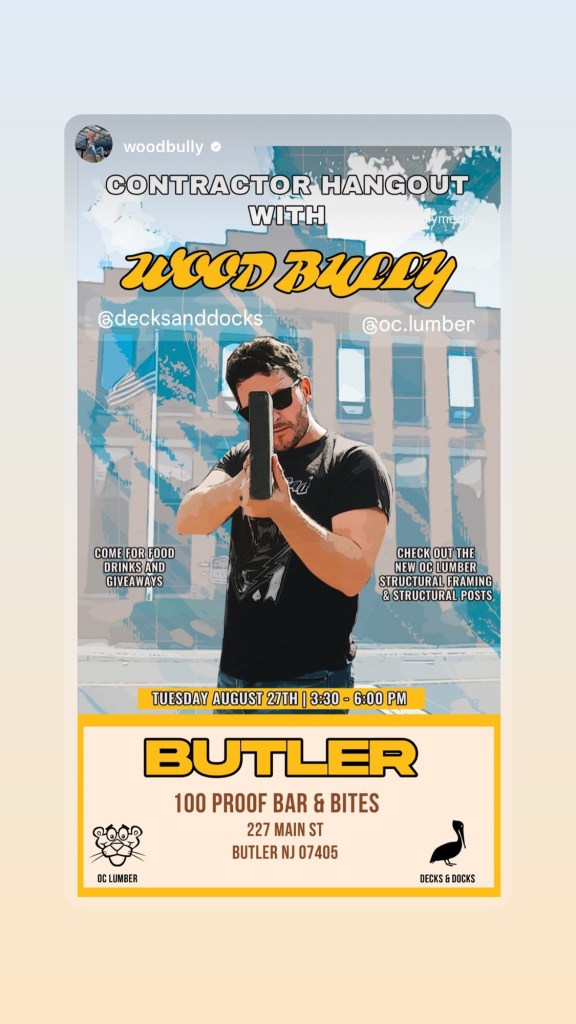
From Marathon, the stops came fast: Key Largo, Fort Lauderdale, Fort Myers, Cape Coral(which Gord kept calling Cape Canaveral – I have the videos to prove it!) Sarasota (Siesta Key sunsets!), Bradenton, Winter Haven, and Orlando — after Orlando we flew home for four days for our son’s birthday. Then Clearwater, St. Pete Beach, a pizza stop in tiny Tarpon Springs, Hudson, Daytona Beach, Jacksonville, Savannah, Dutch Island, Charleston, Greenville, Birmingham, Nashville, Knoxville for a competition series, Charlotte, Wilmington (where we surprised Gordon for his birthday), Newport News, Baltimore (never again), Atlantic City, Barnegat, Long Island, Butler, NJ, and finally Providence, Rhode Island.

Every day was early mornings, building or appearances, sleep, then driving to the next city. Just Gordon and me traveling together. I handled production, logistics, and everything at home, while Gordon was the creative genius on camera. Casey and Kevin were there almost every stop, keeping everything organized, anticipating problems before they happened, and somehow making the tour feel possible. Casey’s dedication went far beyond logistics — he was our mentor, our problem-solver, the calm in the chaos, and someone who believed in us when we were still figuring out if we believed in ourselves.

Some moments were unforgettable. Watching Gordon, who couldn’t swim, get on water skis ( TWICE! ) was absolutely hilarious — and terrifying. He had practiced swimming in hotel pools for days beforehand. He was sore for a week. I laughed so hard I cried ( I also have videos of this). And there was that pizza in Wayne, New Jersey. I swear I dream about it all the time. And then there were the contractors everywhere recognizing Wood Bully — telling us we’d inspired them, taught them what they knew, or motivated them to start their own companies. That part hit me in a way nothing else did. All the chaos, stress, and long drives suddenly had meaning.

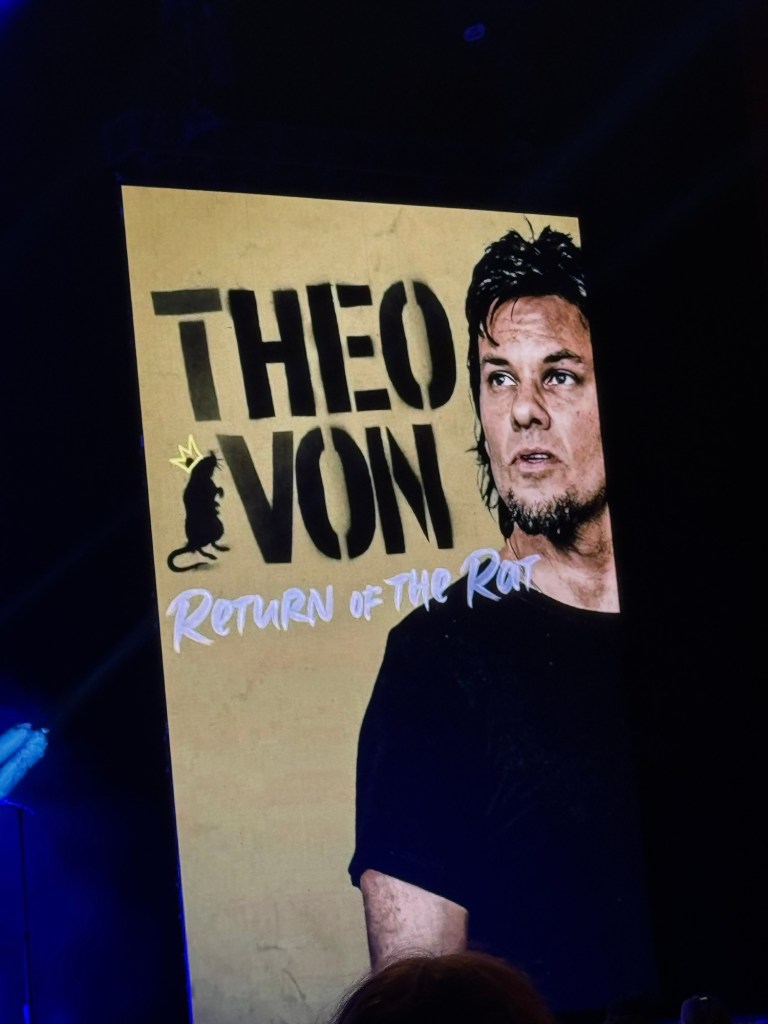
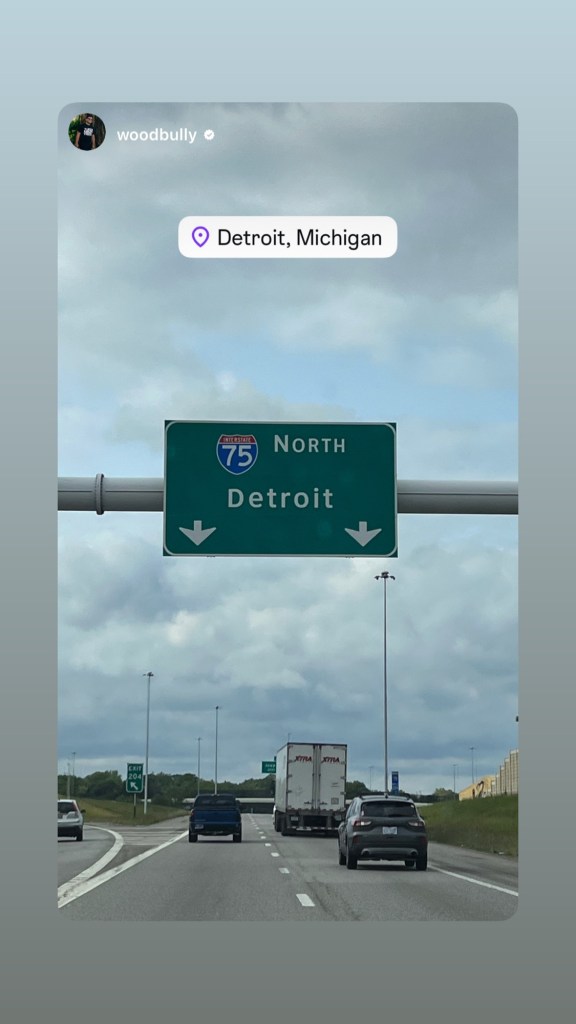
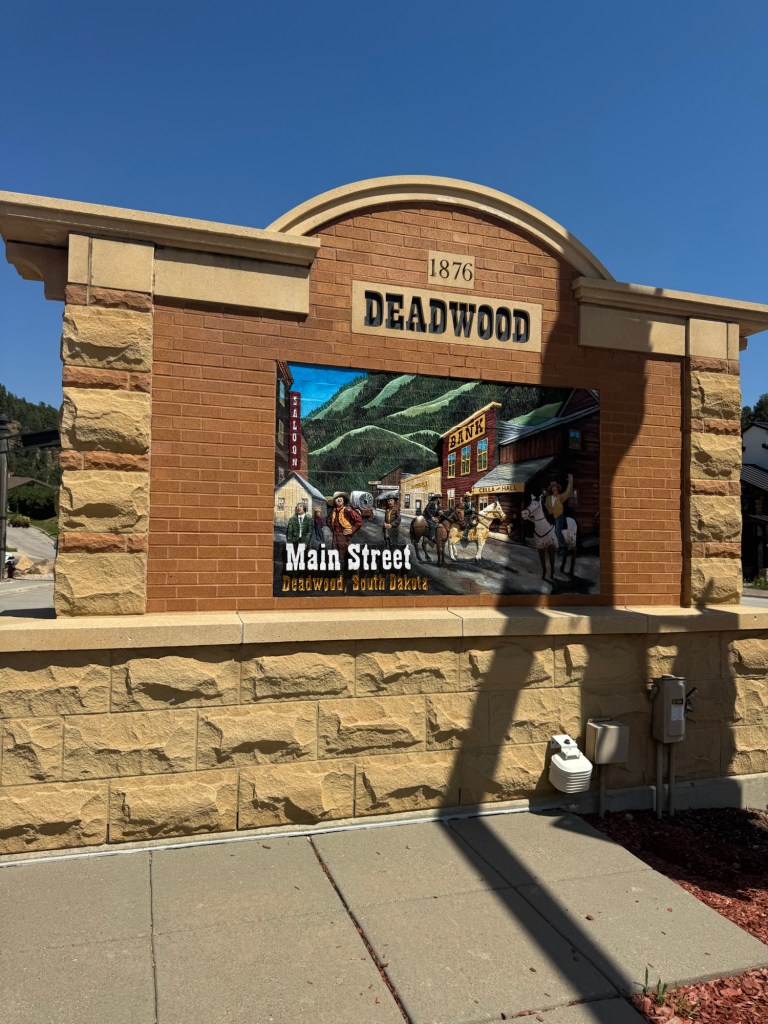
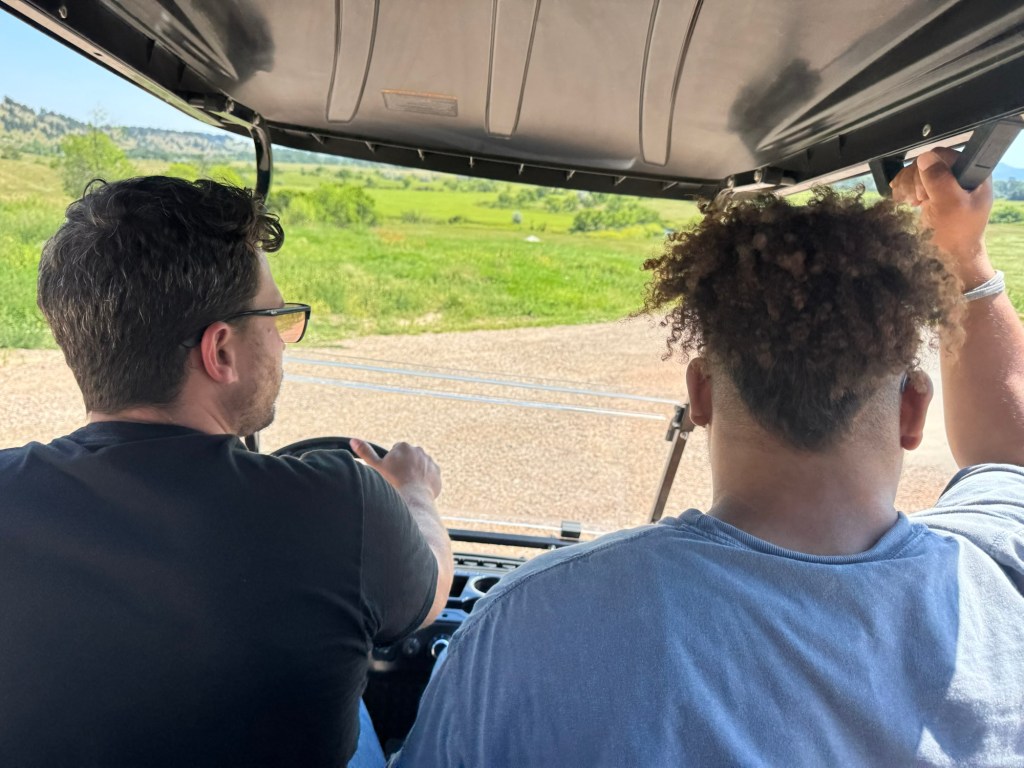
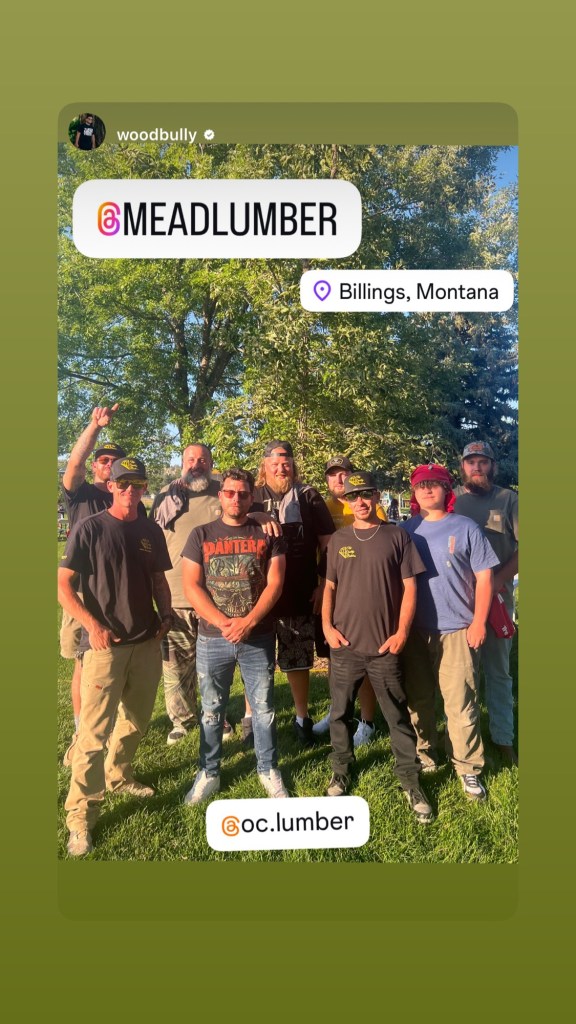
2025 was different. We went back to the drawing board and decided to slow down. Instead of flying in and out of job sites in a day, we stayed a week, really building relationships, learning from crews, and creating more meaningful content. We started in Detroit with Theo Von ( watching his stand up show ), then Cleveland, Massachusetts, Boston, Fargo (a two-day drive!), Short Grass Resort in South Dakota, Billings, Montana (where our brand-new vehicle broke down, nightmare), Toledo for the Owens Corning headquarters, and finally a bowling alley hangout before heading home. Spending more time at each stop made everything feel more connected — less rushed, less stressful, and way more rewarding.

Even the tough moments are now part of the story. The Billings breakdown could have broken me emotionally — six of us stranded, rentals, flights, logistics — but we somehow made it work. That experience taught me more about adaptability, patience, and teamwork than anything else on either tour.

Through it all, the biggest lesson was about people. Casey became family. Contractors became friends. Gordon and I learned how capable we really are, how adaptable we can be, and how incredible it feels to turn a five-year idea into a tangible reality. I also learned that I can thrive in chaos, that I can hold everything together when needed, and that relationships — real, honest, human relationships — are what make the grind worth it.

If I had to sum up both tours in one sentence, it would be: holy shit, that was epic. I can’t wait to do it again, and I know that with Gordon and the incredible people we met along the way, the next chapter will be even bigger.

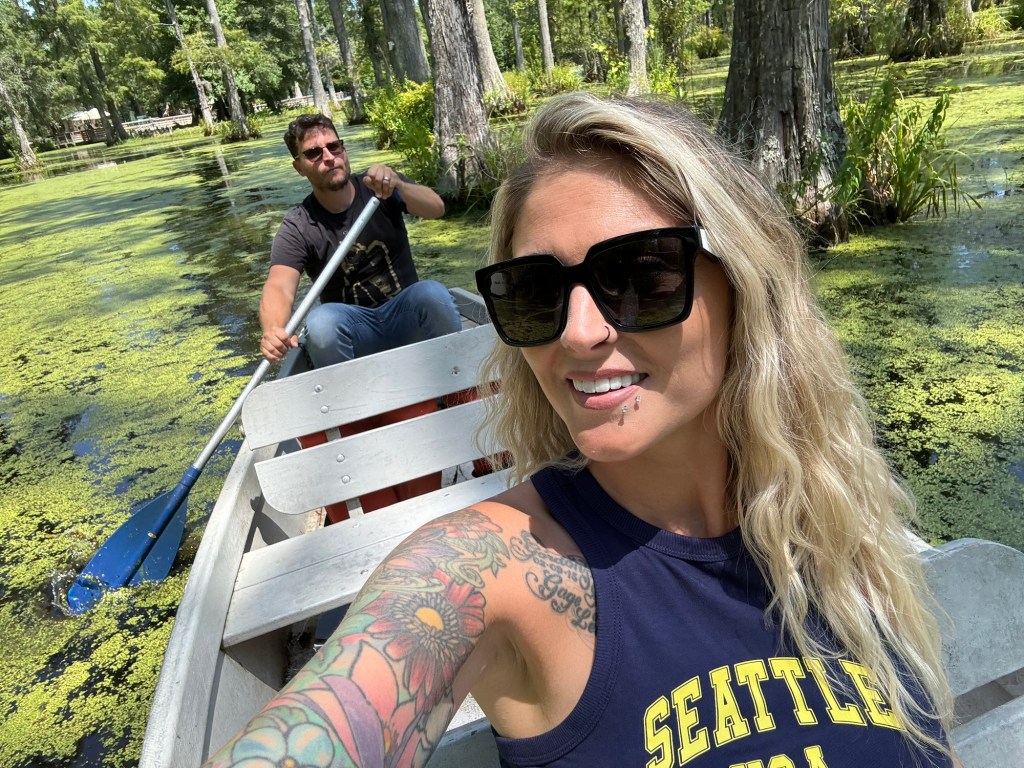
I put some photos at the bottom because writing about this just doesn’t do it justice –

-Samantha

Hood Kid to CEO: How One Tutorial Video Changed Everything

Long story about me;

7 years ago I decided to make a tutorial video on one of my jobsites (well not mine, I didn’t have a company). This video starts with that. Crazy how much my life has changed from that day. As a kid that grew up in the hood, in poverty (not bragging) from an early age I decided drugs and alcohol weren’t going to help me escape the ghetto so I’ve been sober my whole life.

I grew up in a hip hop neighbourhood and became an aspiring rapper at 15 and really gave it a good run for a few years lol (this explains why i would always associate wealth with fame). Also for some reason I didn’t believe I was entitled to college or university simply based on class and finances. I know scholarships existed but I wasn’t that smart lol, anyway after dropping out of high school I got a job building fences with my uncle (his boss was an X cop who hired X cons) I took the job as a legitimate way to take care of my son (yes I had a son as a teenager) It started with pounding chainlink fence posts and running wire but he would take the occasional wood job. After my first 1 I fell in love with it.

I started to convince him to sell more wood fences, porches and decks although we didn’t actually know what we were doing (respectfully). I purchased all the how to books from Home Depot and watched every HGTV show possible (wish I was joking) anyways over time I moved on to work “real construction” instead of “Mickey mouse” which actually wasn’t full of talent like the union members claimed. After deductions the only thing bigger was the egos.

So I went back into decks years after working different types of commercial construction and worked my way up to “Project Manager” (actually not as fancy as it sounds, it was just a foreman with extra homework) anyways after a life time of slowly working my self to the bone everyday rain or shine trying to claw my way out of generational poverty… I was still poor, actually bankrupt and my high interest shitty car/pickup got repossessed and I was just sick of taking advice from people, I decided to make a drastic change!

So, armed with a Grade 8 education, $20 and a 301 credit score I started a business! The goal was to build something better for my family (and I’d be lying if I said it wasn’t for my self as well). I spent allot of time coming up with the name so it would make sense, be original and be trademarked. Secretly I wanted a TV deal and I genuinely believed I would need to own a company to do it. So, I had a company to build with no budget and I needed to get production companies to notice me. The only obvious choice was to start making videos (this was pre TikTok). I figured I could really build the brand and sell some decks while testing my chops as an entertainer, which now brings us full circle to that first video, the “pay attention Brian” thing was pretty much an accident I didn’t know the first thing about hooks or media branding.

Since then, I’ve started a media company (with some very big companies as clients) and it is more successful than the construction company (by a lot) I’ve gone from never leaving my home town to travelling to 100s of cities in a short amount of time (I don’t remember them all) sorry, and I’ve met some incredible talented and intelligent people (I don’t remember them all) sorry.

I reached over 1,000,000 total followers at some point last year! Also, I’m not poor anymore (hurray! Let’s skip the part about “survivor guilt” that came with it for now). It’s great but It didn’t fix everything I thought it would, but hey the house is bigger, the food is better and the cars are faster lol. That being said! I’m extremely grateful to be in the position I’m in, it wasn’t easy but it was possible. If you’re still reading this far and you’re not sure if it’s possible? It is. To all the haters thst told me to put my phone down and get back to work, you’re wrong again buddy! Lol I’m not bragging I’m just sharing my story, hope it inspires! Love you guys!

Gord